
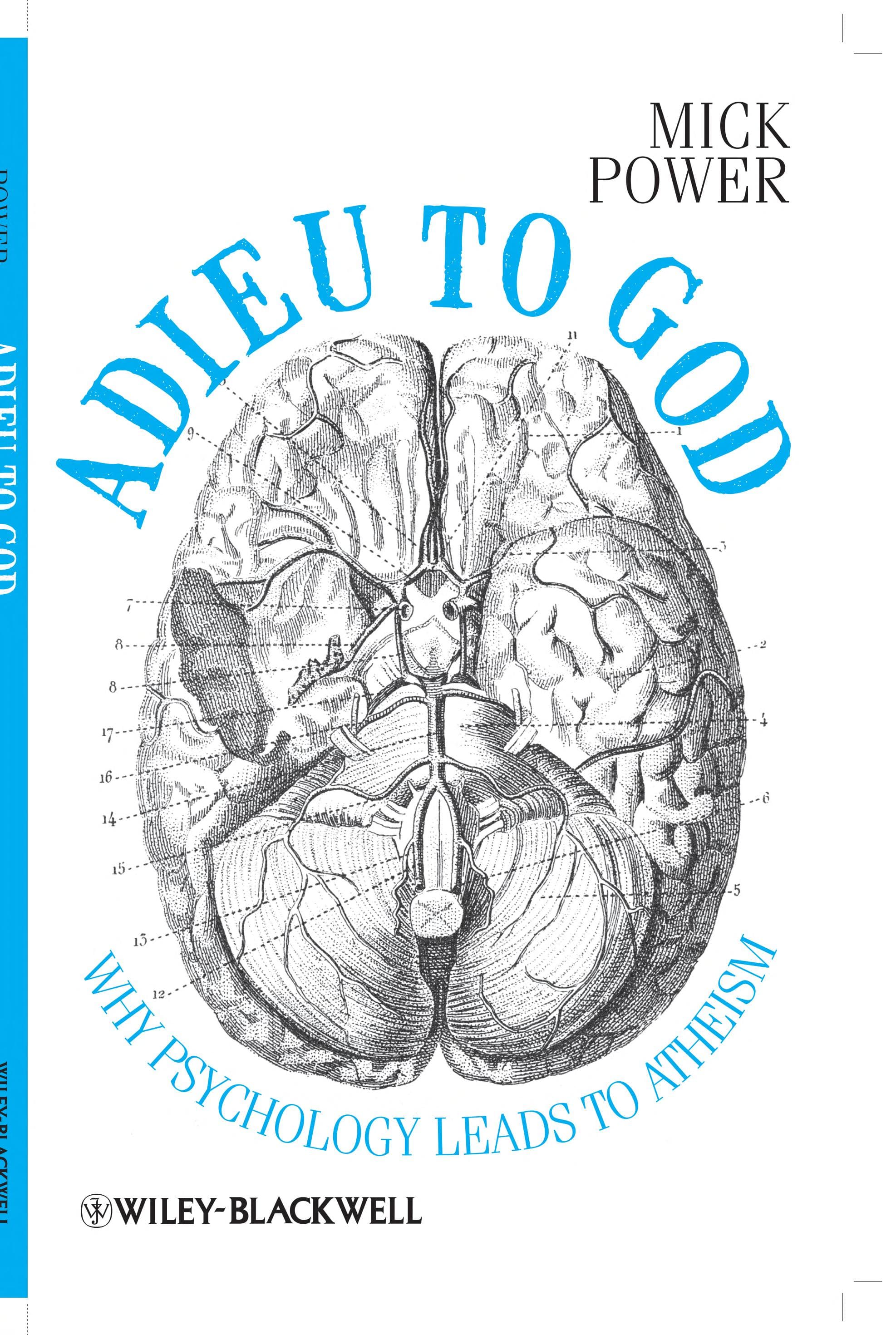
Adieu to God.. Why Psychology Leads to Atheism
وداعاً لله.. لماذا يقود علم النفس إلى الإلحاد
Adieu à Dieu.. Pourquoi la psychologie mène à l'athéisme
Psychological inquiry into the origins and functions of religious belief systematically undermines the rational credibility of theism and points toward atheism as the more defensible conclusion.
Editorial summary
This monograph presents a psychological case for atheism by examining how cognitive and emotional mechanisms underlying religious belief ultimately reveal its human rather than divine origins. Power, a clinical psychologist, constructs his argument through systematic analysis of psychological research on religious experience, belief formation, and the emotional functions of faith, positioning these findings as evidence against theistic claims.
The work's central thesis contends that understanding the psychological processes that generate and sustain religious belief effectively undermines the truth claims of theism. Power examines how cognitive biases, emotional needs, and developmental factors create powerful illusions of divine presence and intervention. He argues that once these mechanisms are exposed and understood, the rational foundation for belief in God dissolves. This approach places the work firmly within the tradition of naturalizing explanations of religion, following thinkers like Feuerbach and Freud while incorporating contemporary cognitive science.
Power engages substantially with the problem of evil, analyzing how believers employ various psychological defense mechanisms to maintain faith despite suffering and injustice. He examines cognitive dissonance reduction, motivated reasoning, and meaning-making processes that allow believers to preserve theistic commitments in the face of contradictory evidence. The author argues these psychological strategies reveal not divine mystery but human attempts to preserve comforting illusions.
The debunking argument receives sophisticated treatment through Power's analysis of religious experience. He demonstrates how mystical encounters, answered prayers, and perceived divine communications arise from identifiable neurological and psychological processes. By mapping these experiences onto natural mechanisms, Power argues that the evidential value of religious experience collapses. He particularly focuses on how attachment theory, terror management theory, and cognitive attribution errors combine to create compelling but ultimately false impressions of divine action.
The work's significance lies in its comprehensive integration of psychological research into a sustained philosophical argument against theism. Unlike purely philosophical critiques, Power grounds his case in empirical findings about human cognition and emotion. He engages with sophisticated theological responses to psychological explanations, arguing that even nuanced religious positions cannot escape the fundamental challenge posed by naturalistic accounts of belief formation. The monograph contributes to contemporary debates by demonstrating how psychological science provides not merely an explanation of religion but an argument against its truth claims.
Structured analysis
Structure of the work
Argument formulations engaged
Power, Mick (2012). Adieu to God.. Why Psychology Leads to Atheism.
@book{adieu-to-god-why-psychology-leads-to-ath,
  author    = {Power, Mick},
  title     = {Adieu to God.. Why Psychology Leads to Atheism},
  year      = {2012},
  url       = {https://god-database.com/en/works/adieu-to-god-why-psychology-leads-to-atheism}
}