
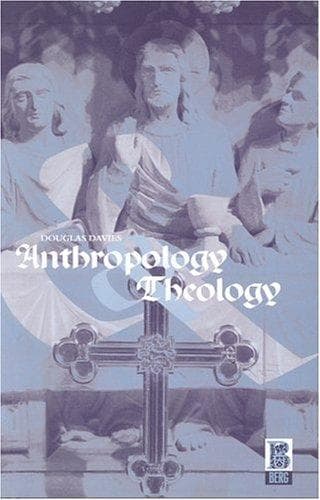
Anthropology and Theology
الأنثروبولوجيا واللاهوت
Anthropologie et théologie
Anthropology and theology, though methodologically distinct, share deep structural concerns about human nature, meaning, and transcendence that make sustained dialogue between them both possible and intellectually necessary.
Editorial summary
Davies examines the complex relationship between anthropology and theology, exploring how these disciplines approach questions of human nature, belief, and the divine. The work investigates the methodological tensions and productive possibilities that emerge when anthropological analysis encounters theological reflection, particularly regarding how each field constructs knowledge about religious experience and ultimate reality.
The monograph traces how anthropology's empirical focus on observable religious practices and cultural systems contrasts with theology's normative claims about divine truth and human purpose. Davies argues that while anthropologists typically bracket questions of divine existence to study religion as a human phenomenon, theologians necessarily engage with ontological claims about God's reality. This methodological divergence creates both conflict and opportunity for interdisciplinary dialogue about the nature and significance of religious belief.
Central to Davies's analysis is the question of reductionism. He examines how anthropological explanations of religion in terms of social function, psychological need, or cultural evolution often clash with theological insistence on the sui generis character of religious experience and divine revelation. The work carefully navigates between these positions, suggesting that neither pure naturalistic reduction nor complete theological exemption from critical analysis adequately captures the complexity of religious phenomena.
Davies explores specific areas where anthropological and theological perspectives intersect productively. He analyzes how both disciplines address questions of ritual efficacy, the nature of sacred symbols, and the relationship between individual experience and communal tradition. The monograph demonstrates how anthropological fieldwork can enrich theological reflection by providing detailed accounts of lived religion, while theological frameworks can help anthropologists appreciate the internal logic and existential significance of religious worldviews.
The work's significance lies in its balanced treatment of disciplinary boundaries and possibilities for dialogue. Rather than advocating for either anthropological skepticism or theological commitment, Davies maps the conceptual terrain where these approaches meet, conflict, and potentially inform each other. His analysis contributes to broader debates about the academic study of religion by showing how descriptive and normative approaches to religious phenomena need not be mutually exclusive. The monograph ultimately argues for a more nuanced understanding of how empirical observation and theological reflection can together illuminate the multifaceted nature of human religious experience, without requiring either discipline to abandon its distinctive methods or commitments.
Structured analysis
Argument formulations engaged
Davies, Douglas (2002). Anthropology and Theology. Berg Publishers.
@book{anthropology-and-theology,
  author    = {Davies, Douglas},
  title     = {Anthropology and Theology},
  year      = {2002},
  publisher = {Berg Publishers},
  url       = {https://god-database.com/en/works/anthropology-and-theology}
}