
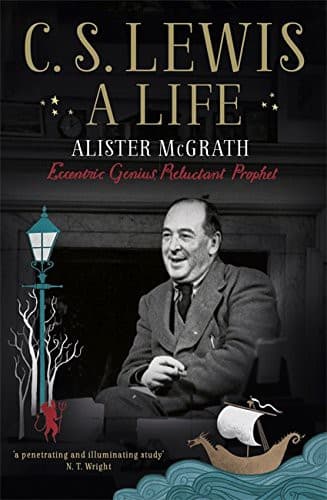
C. S. Lewis – A Life: Eccentric Genius, Reluctant Prophet
ك. س. لويس - حياة: عبقري شاذ، نبي مُحجم
C. S. Lewis – Une vie : Génie excentrique, prophète réticent
Editorial summary
This intellectual biography examines C. S. Lewis as both a major literary figure and influential Christian apologist, tracing the complex relationship between his imaginative writings and theological thought. McGrath presents Lewis as a distinctive voice in twentieth-century debates about God, whose approach to faith combined rigorous intellectual inquiry with creative storytelling in ways that continue to shape contemporary religious discourse.
The work situates Lewis within the Oxford intellectual milieu of the mid-twentieth century, exploring how his journey from atheism to Christianity informed his unique apologetic method. McGrath analyzes Lewis's conversion narrative not merely as personal testimony but as foundational to his subsequent arguments for theism. The biography demonstrates how Lewis developed a "mere Christianity" approach that sought common ground among Christian denominations while defending core theistic claims against materialist philosophy and scientific naturalism.
McGrath examines Lewis's major contributions to natural theology, particularly his argument from reason, which contends that human rationality cannot be adequately explained by naturalistic evolution alone. The study traces how Lewis refined this argument throughout his career, responding to philosophical critics while maintaining that reason itself points toward a rational Creator. Similarly, the work analyzes Lewis's moral argument, which posits that universal human experiences of right and wrong suggest an objective moral law requiring a divine Lawgiver.
The biography gives substantial attention to Lewis's imaginative works, arguing that his fiction represents a deliberate apologetic strategy. McGrath demonstrates how the Chronicles of Narnia and the Space Trilogy embody theological themes in narrative form, making abstract religious concepts accessible through story and metaphor. This analysis reveals Lewis's conviction that imagination and reason work together in apprehending religious truth, challenging both dry rationalism and anti-intellectual faith.
McGrath addresses Lewis's critics, including those who found his arguments philosophically unsophisticated or his Christianity culturally bound. The work acknowledges tensions in Lewis's thought while arguing for his enduring significance as someone who articulated faith in terms comprehensible to modern skeptics. The biography positions Lewis as a "reluctant prophet" who, despite personal reservations about publicity, became one of the twentieth century's most influential Christian voices, offering a model of engaged faith that remains intellectually honest about doubt while maintaining confident belief in God's existence and nature.
Argument formulations engaged
Related works
McGrath, Alister (2013). C. S. Lewis – A Life: Eccentric Genius, Reluctant Prophet. Tyndale House.
@book{c-s-lewis-a-life-eccentric-genius-reluct,
  author    = {McGrath, Alister},
  title     = {C. S. Lewis – A Life: Eccentric Genius, Reluctant Prophet},
  year      = {2013},
  publisher = {Tyndale House},
  url       = {https://god-database.com/en/works/c-s-lewis-a-life-eccentric-genius-reluctant-prophet-2013}
}