
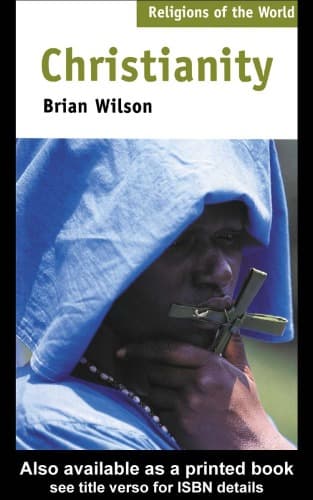
Christianity and the World Religions
المسيحية وأديان العالم
Le christianisme et les religions du monde
Editorial summary
This groundbreaking work by Hans Küng represents a pivotal contribution to interreligious dialogue and comparative theology in the late twentieth century. Küng examines Christianity's relationship with Islam, Hinduism, and Buddhism through a systematic theological framework that seeks genuine understanding rather than apologetic defense or relativistic compromise. The work emerges from Küng's broader project of promoting global ethics and his conviction that world peace depends upon peace between religions.
The text employs a dialogical methodology that combines historical-critical analysis with phenomenological description and theological reflection. Küng structures each section by first presenting an internal account of each religion's self-understanding, followed by critical dialogue from a Christian perspective. This approach reflects his rejection of both exclusivist claims to absolute truth and relativist positions that deny meaningful differences between religions. Instead, he advocates for what he terms "critical ecumenism" - maintaining Christian identity while remaining genuinely open to truth in other traditions.
Central to Küng's argument is his distinction between the historical religions as human constructs and the transcendent reality they seek to express. He contends that while Christianity possesses unique insights through Christ, other religions contain authentic experiences of the divine and paths to salvation. This position challenges traditional Catholic exclusivism while stopping short of pluralist theology. Küng particularly emphasizes ethical convergences between traditions, arguing that shared moral imperatives provide common ground for dialogue and cooperation.
The work's significance lies in its pioneering effort to move beyond both triumphalist missionary theology and uncritical syncretism. Writing in the context of Vatican II's openness to other religions and growing global interconnection, Küng provides a theological framework for taking religious diversity seriously without abandoning Christian convictions. His detailed engagement with Eastern religions demonstrates how comparative theology can proceed with both intellectual rigor and spiritual sensitivity.
Küng's analysis has profoundly influenced subsequent Christian approaches to religious pluralism. By arguing that authentic faith requires humble dialogue rather than defensive isolation, he challenges Christians to understand their tradition as one legitimate response to ultimate reality among others. This work thus marks a crucial development in how Christian theology conceptualizes God's relationship to humanity's diverse religious expressions, moving the discourse beyond simple categories of truth and error toward more nuanced understanding of revelation and religious experience.
Argument formulations engaged
Kung, Hans (1986). Christianity and the World Religions. Routledge.
@book{christianity-and-the-world-religions-198,
author = {Kung, Hans},
title = {Christianity and the World Religions},
year = {1986},
publisher = {Routledge},
url = {https://god-database.com/en/works/christianity-and-the-world-religions-1986}
}