
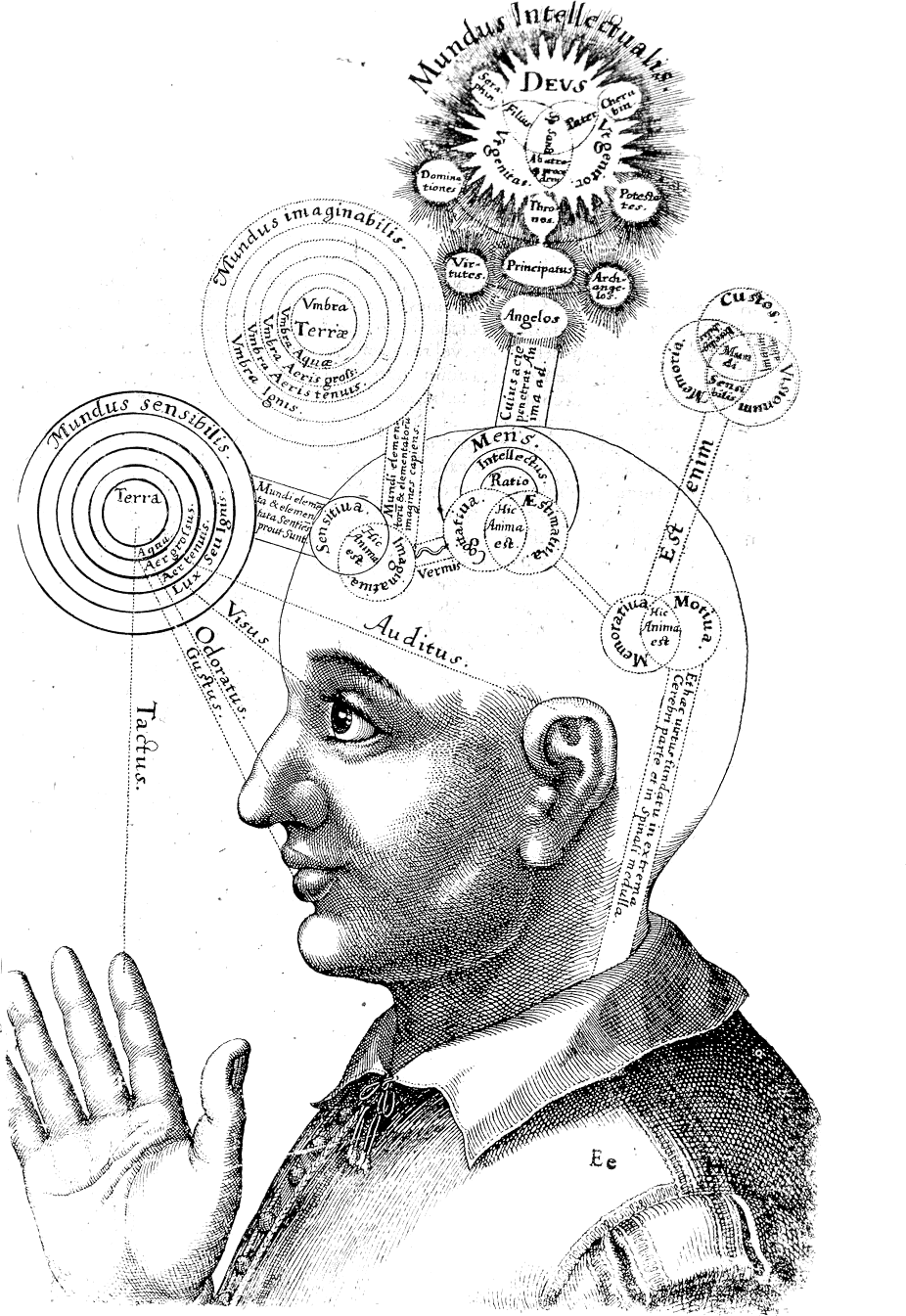
Consciousness Reconsidered
الوعي معاد النظر
La conscience reconsidérée
Editorial summary
Flanagan's "Consciousness Reconsidered" addresses consciousness through a naturalistic framework that challenges both eliminative materialism and dualistic approaches to mind. The work develops what Flanagan terms "natural method," combining phenomenology, psychology, and neuroscience to construct a comprehensive account of consciousness within scientific naturalism. This interdisciplinary approach aims to preserve the reality of conscious experience while rejecting supernatural explanations of mental phenomena.
The monograph engages critically with multiple positions in philosophy of mind. Against eliminativists like Paul Churchland, Flanagan argues that consciousness represents a genuine natural phenomenon requiring explanation rather than elimination. Simultaneously, he rejects property dualism and functionalism as inadequate to capture consciousness's biological basis. The work particularly challenges mysterian positions, such as Colin McGinn's claim that consciousness lies beyond human comprehension. Flanagan contends that consciousness, while complex, remains amenable to scientific investigation through convergent evidence from multiple disciplines.
Central to Flanagan's argument is the notion of consciousness as a natural biological phenomenon emerging from neural processes. He develops detailed analyses of specific conscious states, including dreams, self-consciousness, and qualitative experience, demonstrating how neuroscientific findings illuminate their nature without reducing them to mere brain states. The work emphasizes consciousness's evolutionary origins and adaptive functions, positioning it within a broader naturalistic worldview.
The monograph's significance for debates about God lies in its systematic defense of naturalism regarding mental phenomena. Traditional arguments for theism often invoke consciousness as evidence for supernatural reality or divine design. Flanagan's demonstration that consciousness admits naturalistic explanation undermines such arguments without explicitly engaging theological questions. His natural method exemplifies how scientific approaches can address phenomena previously considered mysterious or spiritually significant.
Flanagan situates his project within pragmatist and naturalist traditions, drawing on William James while rejecting James's openness to religious experience as evidentially significant. The work represents a crucial contribution to physicalist philosophy of mind, showing how naturalism can acknowledge consciousness's reality and complexity without abandoning scientific methodology. By providing a framework for understanding consciousness as both real and natural, Flanagan advances a worldview that renders supernatural explanations unnecessary, though he avoids direct theological argumentation. His approach influences subsequent naturalistic treatments of consciousness and continues to shape debates about mind's place in nature.
Argument formulations engaged
Related works
Flanagan, Owen (1992). Consciousness Reconsidered.
@book{consciousness-reconsidered-1992,
  author    = {Flanagan, Owen},
  title     = {Consciousness Reconsidered},
  year      = {1992},
  url       = {https://god-database.com/en/works/consciousness-reconsidered-1992}
}