
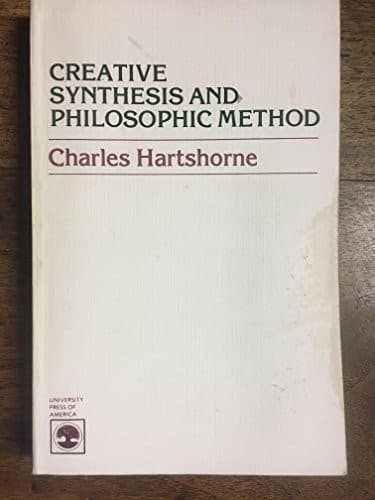
Creative Synthesis and Philosophic Method
التركيب الإبداعي والمنهج الفلسفي
Synthèse créatrice et méthode philosophique
Editorial summary
Charles Hartshorne's Creative Synthesis and Philosophic Method articulates a systematic approach to philosophical inquiry grounded in his process metaphysics and neoclassical theism. The work presents both a methodological framework and a substantive metaphysical position that directly engages fundamental questions about divine existence and nature. Hartshorne develops what he terms the method of "creative synthesis," arguing that philosophical progress requires integrating apparently contradictory insights from competing traditions rather than simply choosing between them.
The monograph advances a distinctive conception of God as dipolar, possessing both abstract-eternal and concrete-temporal aspects. This represents Hartshorne's central contribution to twentieth-century philosophical theology: rejecting classical theism's emphasis on divine immutability and impassibility while maintaining God's necessity and perfection. He argues that traditional attributes like omniscience and omnipotence require reconceptualization to coherently account for temporal process, contingency, and genuine creativity in the universe. God, in Hartshorne's system, is supremely relative rather than absolutely absolute, experiencing and responding to worldly events while maintaining essential divine characteristics.
Methodologically, Hartshorne advocates for what he calls "neoclassical" philosophy, which synthesizes insights from classical metaphysics with modern emphases on temporality, experience, and becoming. He critiques both traditional substance metaphysics and contemporary analytical approaches that dismiss metaphysical questions as meaningless. The work engages extensively with the history of philosophy, particularly examining how thinkers from Plato through Whitehead have addressed the relationship between permanence and change, necessity and contingency, absoluteness and relativity.
Hartshorne's approach challenges several dominant positions in philosophy of religion. Against classical theists, he argues that an absolutely immutable God cannot coherently relate to a changing world. Against atheistic naturalists, he maintains that the concept of God, properly understood, provides necessary explanatory power for understanding reality's fundamental structures. His method of polar analysis suggests that many traditional philosophical debates rest on false dichotomies that can be resolved through creative synthesis.
The significance of this work lies in its systematic presentation of process theism as a viable alternative to both classical theism and naturalistic atheism. Hartshorne demonstrates how rigorous philosophical method can yield a conception of divinity that preserves religious meaning while addressing modern philosophical concerns about temporality, freedom, and value. His influence extends across philosophy of religion, metaphysics, and philosophical methodology, offering tools for reconceiving perennial questions about ultimate reality.
Argument formulations engaged
Related works
Hartshorne, Charles (1970). Creative Synthesis and Philosophic Method. Philosophy Documentation Center.
@book{creative-synthesis-and-philosophic-metho,
  author    = {Hartshorne, Charles},
  title     = {Creative Synthesis and Philosophic Method},
  year      = {1970},
  publisher = {Philosophy Documentation Center},
  url       = {https://god-database.com/en/works/creative-synthesis-and-philosophic-method-1970}
}