
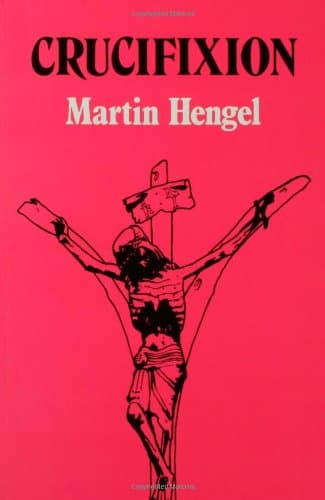
Crucifixion in the Ancient World and the Folly of the Message of the Cross
الصلب في العالم القديم وحماقة رسالة الصليب
Crucifixion dans le monde antique et folie du message de la croix
Editorial summary
This monograph examines the historical practice of crucifixion in the Greco-Roman world to illuminate why early Christianity's proclamation of a crucified messiah appeared as scandalous folly to ancient audiences. Hengel demonstrates through extensive analysis of classical sources that crucifixion represented the most degrading and brutal form of execution in antiquity, reserved for slaves, rebels, and the lowest criminals. The work meticulously documents how cultured Romans and Greeks viewed this punishment with visceral revulsion and considered it utterly incompatible with divine status.
The study traces crucifixion practices from Persian origins through Roman imperial usage, showing how the punishment functioned as both deterrent and spectacle. Hengel examines literary, epigraphic, and archaeological evidence to reconstruct ancient attitudes toward this form of execution. He pays particular attention to Jewish perspectives, analyzing how crucifixion conflicted with Deuteronomic law regarding hanging and divine curse. This historical reconstruction serves a larger theological purpose: explaining why Paul's preaching of Christ crucified constituted such radical foolishness to both Jewish and Gentile audiences.
Hengel argues that early Christianity's embrace of the crucifixion narrative represents a complete inversion of ancient values. Where Roman society saw ultimate shame, Christians proclaimed divine glory. The work demonstrates how the cross symbolized not merely death but social annihilation, making Christian claims about a crucified God appear as philosophical absurdity to educated pagans and blasphemous scandal to Jewish audiences. This historical analysis illuminates Paul's rhetoric about the folly of the cross in 1 Corinthians, showing it reflects accurate assessment of cultural reception rather than mere hyperbole.
The monograph's contribution to discourse about God lies in its historical grounding of early Christian theology. By documenting the social meaning of crucifixion, Hengel explains why Christian proclamation required such radical reconception of divine power and presence. The work suggests that Christianity's emergence involved not simply new beliefs about God but fundamental challenge to existing frameworks for conceiving divinity itself. His analysis shows how the crucifixion narrative forced reconsideration of where and how God acts in history, privileging suffering over triumph, weakness over strength. This historical study thus illuminates the conceptual revolution Christianity introduced regarding divine nature and action.
Argument formulations engaged
Related works
Hengel, Martin (1977). Crucifixion in the Ancient World and the Folly of the Message of the Cross.
@book{crucifixion-in-the-ancient-world-and-the,
  author    = {Hengel, Martin},
  title     = {Crucifixion in the Ancient World and the Folly of the Message of the Cross},
  year      = {1977},
  url       = {https://god-database.com/en/works/crucifixion-in-the-ancient-world-and-the-folly-of-the-message-of-the-cross-1977}
}