
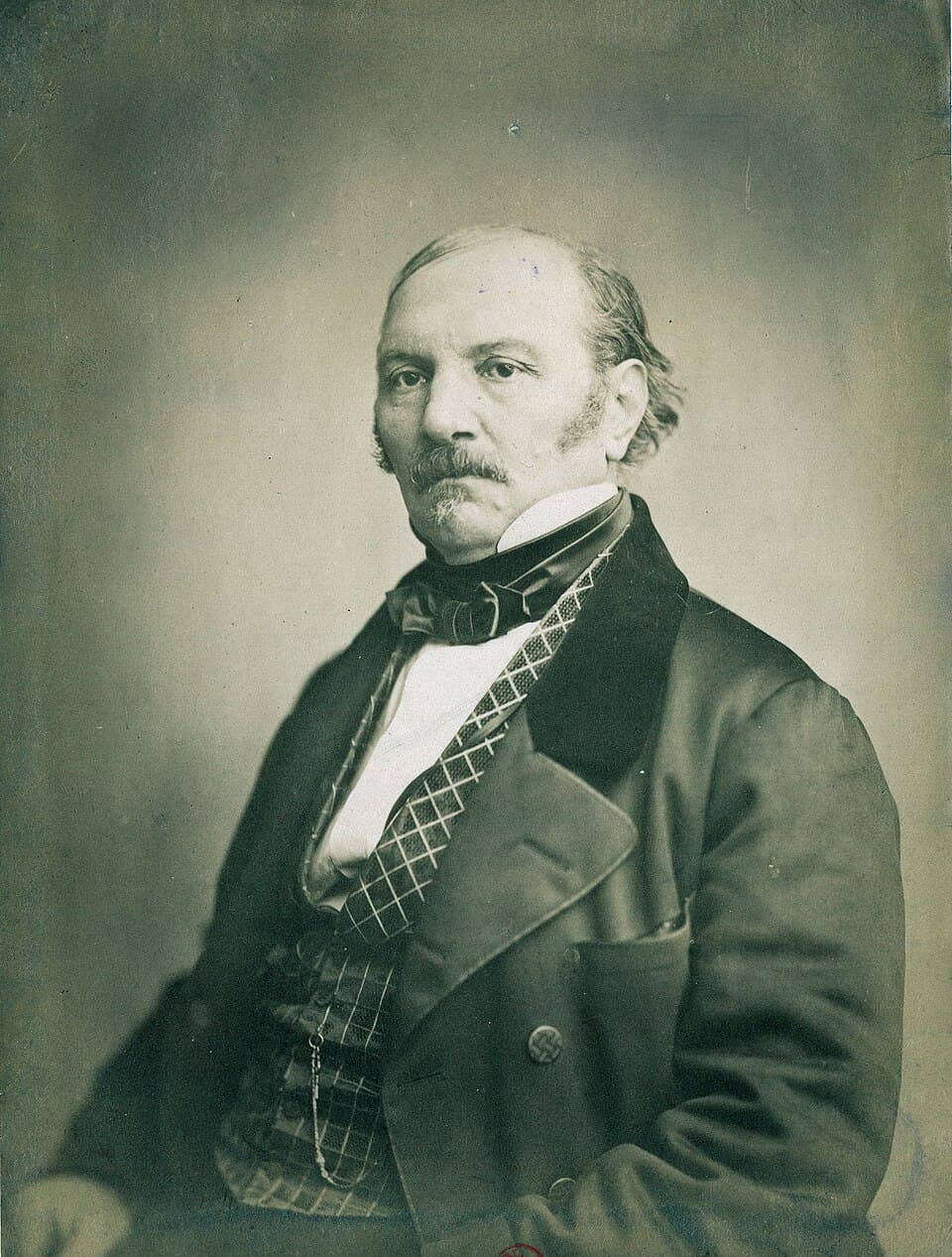
Dans l'invisible - Spiritisme et médiumnité
في عالم الخفاء - الروحانية والوساطة
In the Invisible - Spiritism and Mediumship
Spiritist phenomena and mediumship provide experiential evidence for the survival of the soul and the existence of an invisible spiritual order underlying material reality.
Editorial summary
Leon Denis's "In the Invisible: Spiritism and Mediumship" (1911) presents a systematic exposition of spiritualist philosophy that engages the God debate through empirical claims about consciousness survival and divine communication. Writing within the French spiritist tradition established by Allan Kardec, Denis advances a theistic framework that grounds religious belief not in scripture or tradition, but in purported experimental evidence from mediumistic phenomena.
The work's central contribution lies in its attempt to establish a scientific foundation for theistic belief through the investigation of consciousness. Denis argues that mediumship demonstrates the persistence of individual consciousness after bodily death, thereby proving both the existence of an immortal soul and a spiritual realm governed by divine intelligence. His descriptive-analytical method involves cataloging various mediumistic phenomena—from automatic writing to materialization—and interpreting these as empirical evidence for a structured spiritual universe. This approach positions spiritism as a middle path between materialist atheism and dogmatic religion, claiming to offer verifiable proof of divine reality through repeatable psychic experiments.
Denis engages the consciousness argument by contending that mediumistic communications reveal consistent patterns suggesting an organized afterlife hierarchy, with higher spirits conveying knowledge about divine purpose and cosmic evolution. Against materialist critics who reduce consciousness to brain function, he marshals testimonial evidence of spirit communications containing information unknown to the medium, arguing these demonstrate consciousness operating independently of physical substrates.
The prophecy argument receives attention through Denis's analysis of predictive messages received through mediums. He presents these not as supernatural violations of natural law, but as evidence that advanced spirits possess expanded temporal perception within a divinely ordered cosmos. This reframes biblical prophecy within a naturalistic spiritual science, suggesting continuity between ancient religious experiences and modern mediumistic phenomena.
The work's significance for the God debate lies in its attempt to democratize religious experience through empirical methodology. By arguing that anyone can verify spiritual truths through mediumistic investigation, Denis challenges both atheistic materialism and ecclesiastical authority. His vision presents God not as an abstract theological concept but as an experientially accessible reality manifested through systematic spirit communication. This approach influenced subsequent psychical research and contributed to broader debates about the relationship between science and religion in the early twentieth century.
Structured analysis
Argument formulations engaged
Denis, Leon (1911). In the Invisible - Spiritism and Mediumship. Wiley.
@book{dans-linvisible-spiritisme-et-mdiumnit,
  author    = {Denis, Leon},
  title     = {In the Invisible - Spiritism and Mediumship},
  year      = {1911},
  publisher = {Wiley},
  url       = {https://god-database.com/en/works/dans-linvisible-spiritisme-et-mdiumnit}
}