
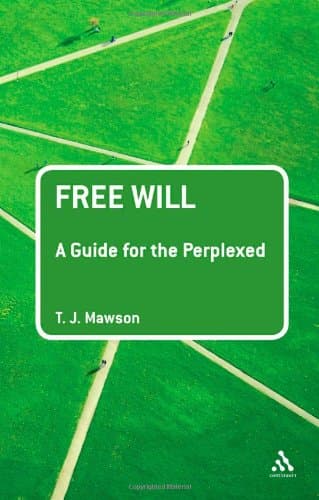
Free Will: A Guide for the Perplexed
الإرادة الحرة: دليل للحائرين
Le libre arbitre : Un guide pour les perplexes
Editorial summary
This monograph examines the philosophical problem of free will and its theological implications, particularly for debates about divine nature and human moral responsibility. Mawson approaches the topic as a guide for non-specialists, systematically unpacking the conceptual puzzles surrounding free will while maintaining rigorous philosophical analysis. The work contributes to the God debate by exploring how different conceptions of free will affect arguments for theism and the coherence of traditional divine attributes.
The book begins by clarifying what philosophers mean by free will, distinguishing it from mere freedom of action. Mawson examines the classical debate between compatibilists, who argue free will can coexist with determinism, and incompatibilists, who deny this possibility. He pays special attention to libertarian free will—the view that genuine freedom requires the ability to have done otherwise—as this conception proves most relevant to theological discussions. The author carefully analyzes how neuroscience and physics inform but do not resolve these philosophical questions.
Mawson dedicates substantial discussion to the theological dimensions of free will. He examines how libertarian free will features in responses to the problem of evil, particularly the free will defense which argues that God permits evil because genuine goodness requires freely chosen actions. The work engages critically with this defense, exploring whether the value of free will could justify the permission of horrendous evils. Additionally, Mawson investigates the compatibility of human free will with divine omniscience and providence, addressing whether God's perfect foreknowledge undermines genuine human freedom.
The monograph's distinctive contribution lies in its balanced treatment of how free will arguments function within broader debates about God's existence and nature. Mawson shows how commitments about free will shape positions on divine responsibility for evil, the meaningfulness of prayer, and the possibility of post-mortem existence. He engages with both theistic philosophers like Plantinga and Swinburne and their critics, demonstrating how different theories of free will lead to divergent assessments of theistic belief's rationality.
Throughout, Mawson maintains analytical clarity while acknowledging the deep puzzles that remain. His work serves as both an introduction to free will debates and a sophisticated analysis of their theological significance, showing why questions about human freedom remain central to philosophy of religion.
Argument formulations engaged
Mawson, T. J. (2011). Free Will: A Guide for the Perplexed. Continuum.
@book{free-will-a-guide-for-the-perplexed-2011,
  author    = {Mawson, T. J.},
  title     = {Free Will: A Guide for the Perplexed},
  year      = {2011},
  publisher = {Continuum},
  url       = {https://god-database.com/en/works/free-will-a-guide-for-the-perplexed-2011}
}