
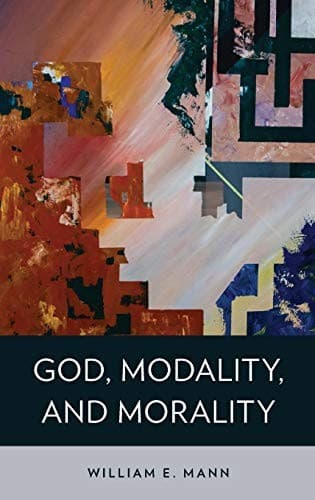
God, Modality, and Morality
الله والجهة والأخلاق
Dieu, modalité et moralité
Editorial summary
William E. Mann's "God, Modality, and Morality" presents a sophisticated philosophical defense of classical theism through careful analysis of divine attributes and their relationship to moral philosophy. The work engages contemporary debates in philosophy of religion by examining how God's necessary existence relates to questions of morality, freedom, and evil.
Mann structures his argument around modal logic and its implications for understanding divine perfection. He contends that if God exists, God exists necessarily, and this necessity has profound implications for how philosophers should approach theological questions. The monograph systematically addresses challenges from both atheistic philosophers and revisionist theists who reject classical conceptions of divine attributes such as omnipotence, omniscience, and perfect goodness.
A central contribution of the work lies in Mann's treatment of the relationship between divine sovereignty and human freedom. He argues that properly understood modal concepts can resolve apparent tensions between God's foreknowledge and human libertarian freedom. Mann critiques incompatibilist positions that claim divine omniscience undermines genuine human agency, proposing instead a nuanced account that preserves both divine perfection and meaningful human choice.
The monograph devotes substantial attention to the problem of evil, offering a modal framework for understanding how a perfectly good God might permit suffering. Mann engages directly with evidential arguments from evil advanced by philosophers like William Rowe, arguing that modal considerations about possible worlds provide resources for theodicy that previous treatments have overlooked. His approach emphasizes the logical limits of what even an omnipotent being can actualize.
Mann's methodology combines rigorous analytical philosophy with engagement of historical theological sources, particularly drawing on medieval philosophical theology while addressing contemporary debates. He challenges both crude anthropomorphic conceptions of deity and overly abstract philosophical constructions that divorce God from moral concern.
The work makes important contributions to debates about divine command theory, arguing for a modified version that grounds morality in God's nature rather than arbitrary divine will. Mann contends that necessary moral truths flow from God's essentially good nature, providing an objective foundation for ethics while avoiding the Euthyphro dilemma.
Throughout, Mann writes for professional philosophers while maintaining clarity about technical modal concepts. His work represents a significant contemporary defense of perfect being theology, demonstrating how traditional theistic commitments can be maintained through careful philosophical analysis rather than abandoned in response to modern challenges.
Argument formulations engaged
Related works
Mann, William E. (2015). God, Modality, and Morality. Oxford University Press.
@book{god-modality-and-morality-2015,
  author    = {Mann, William E.},
  title     = {God, Modality, and Morality},
  year      = {2015},
  publisher = {Oxford University Press},
  url       = {https://god-database.com/en/works/god-modality-and-morality-2015}
}