
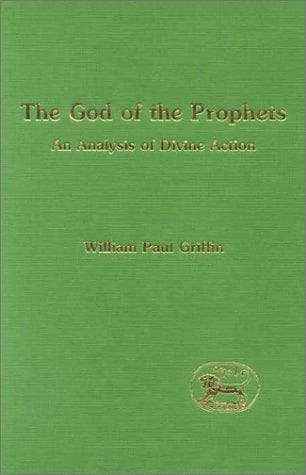
God of the Prophets.. An Analysis of Divine Action
إله الأنبياء.. تحليل للفعل الإلهي
Le Dieu des prophètes.. Une analyse de l'action divine
The God of the prophetic tradition is best understood through an analysis of divine action, in which prophetic experience and revelation serve as primary evidence for the nature and agency of a personal God.
Editorial summary
This monograph examines the theological and philosophical dimensions of divine action as portrayed in biblical prophetic literature, offering a systematic analysis of how prophetic texts conceptualize God's intervention in human history. Griffin employs close textual analysis of Hebrew Bible prophetic materials to explore the distinctive modes through which divine agency manifests in prophetic discourse, focusing particularly on the tension between divine sovereignty and human responsibility that emerges in these texts.
The work engages primarily with contemporary debates in philosophical theology concerning the coherence and nature of divine action. Griffin argues that prophetic literature presents a sophisticated understanding of divine agency that resists reduction to either simple interventionism or mere metaphorical language. Through careful examination of prophetic call narratives, judgment oracles, and salvation prophecies, he demonstrates that biblical prophecy operates with a complex model of divine-human interaction that challenges standard philosophical categories. The analysis reveals how prophetic texts navigate between affirming God's ultimate control over history while simultaneously maintaining genuine human agency and moral responsibility.
Methodologically, Griffin combines traditional biblical exegesis with philosophical analysis, drawing on speech-act theory and contemporary action theory to illuminate the prophetic understanding of divine communication and intervention. He situates his work against both conservative evangelical approaches that tend toward mechanical views of divine dictation and liberal theological positions that effectively evacuate prophetic discourse of genuine divine agency. The study particularly challenges process theological interpretations while also critiquing classical theistic models that struggle to account for the dynamic, responsive character of God in prophetic literature.
The monograph's significance lies in its demonstration that prophetic texts offer philosophically sophisticated resources for contemporary discussions of divine action. Griffin shows how attention to the literary forms and rhetorical strategies of prophecy reveals a nuanced understanding of how God acts in and through human agents without compromising either divine sovereignty or human freedom. His analysis contributes to ongoing debates about the nature of religious language, the problem of divine action in a law-governed universe, and the interpretation of biblical testimony about God's involvement in human affairs. The work provides valuable insights for philosophers of religion, biblical scholars, and systematic theologians seeking to understand how scriptural texts conceptualize divine agency.
Structured analysis
Structure of the work
Argument formulations engaged
Griffin, William Paul (1997). God of the Prophets.. An Analysis of Divine Action. Sheffield Academic Press.
@book{god-of-the-prophets-an-analysis-of-divin,
  author    = {Griffin, William Paul},
  title     = {God of the Prophets.. An Analysis of Divine Action},
  year      = {1997},
  publisher = {Sheffield Academic Press},
  url       = {https://god-database.com/en/works/god-of-the-prophets-an-analysis-of-divine-action}
}