
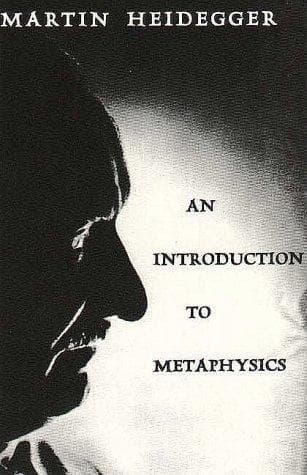
Introduction to Metaphysics
مقدمة في الميتافيزيقا
Introduction à la métaphysique
Editorial summary
Heidegger's Introduction to Metaphysics presents a fundamental critique of Western philosophy's approach to the question of Being, with significant implications for theological discourse. Originally delivered as lectures in 1935 and published in 1953, the work examines how the Western metaphysical tradition has obscured primordial questions about existence through its onto-theological framework.
The text opens with what Heidegger considers the most profound philosophical question: "Why are there beings at all instead of nothing?" This formulation deliberately sidesteps traditional theological answers by refusing to presuppose a creator God as first cause. Heidegger argues that Western metaphysics, from Plato through medieval scholasticism to modern philosophy, has consistently reduced Being to a highest being (summum ens), typically identified with God. This onto-theological constitution of metaphysics treats God as the supreme entity within a hierarchical order of beings, thereby missing the more fundamental question of Being itself.
Central to Heidegger's analysis is his distinction between beings (Seiende) and Being (Sein). He contends that theology's treatment of God as the highest being represents a fundamental category mistake that closes off genuine inquiry into the meaning of Being. The work traces this error through Greek philosophy's transformation of physis into idea, showing how original Greek insights about emergence and presence became ossified into static metaphysical concepts that Christianity later adopted.
Heidegger's method involves etymological investigations and close readings of pre-Socratic fragments, particularly Heraclitus and Parmenides, to recover a more primordial understanding of Being before its theological domestication. He argues that authentic thinking must overcome both theism and atheism as metaphysical positions, since both operate within the same onto-theological framework that treats God as an entity whose existence can be affirmed or denied.
The work's significance for the God debate lies in its radical questioning of the conceptual foundations underlying both traditional natural theology and modern atheistic critiques. By arguing that the God of metaphysics represents a forgetting of Being, Heidegger opens space for non-metaphysical approaches to the divine while simultaneously undermining conventional theistic and atheistic positions. His influence extends to subsequent theological movements, including radical theology and postmodern religious thought, which attempt to think divinity beyond onto-theological categories.
Argument formulations engaged
Heidegger, Martin (1953). Introduction to Metaphysics.
@book{introduction-to-metaphysics-1953,
  author    = {Heidegger, Martin},
  title     = {Introduction to Metaphysics},
  year      = {1953},
  url       = {https://god-database.com/en/works/introduction-to-metaphysics-1953}
}