
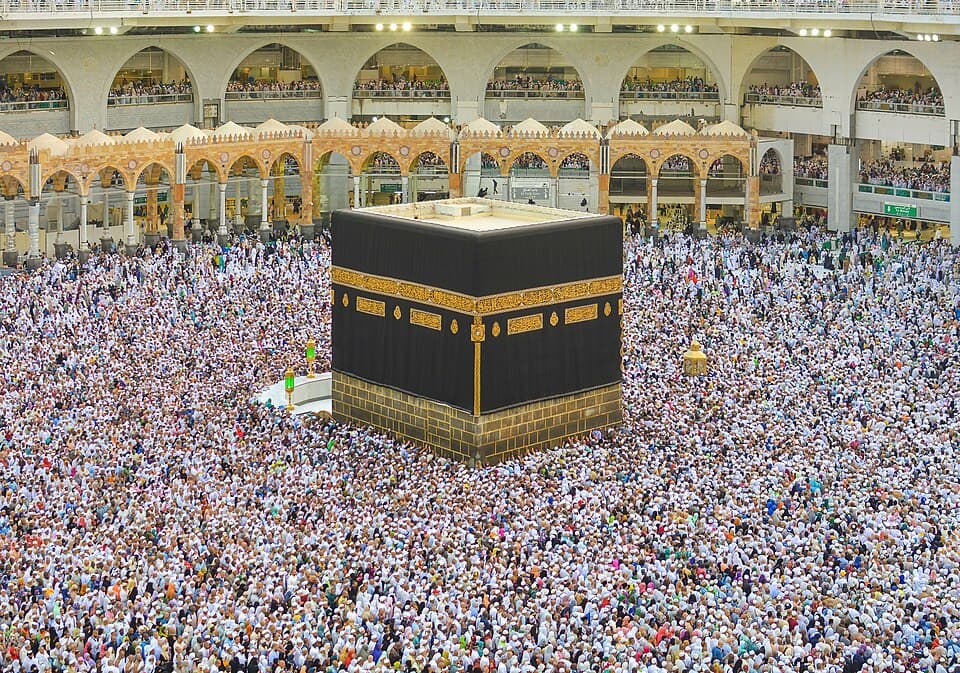
ISLAM the True Message of Moses, Jesus and Muhammad
الإسلام الرسالة الحقيقية لموسى وعيسى ومحمد
L'ISLAM, le vrai message de Moïse, Jésus et Muhammad
Islam is not a new religion but the authentic continuation of the monotheistic message delivered by Moses and Jesus, completed and sealed by Muhammad.
Editorial summary
This monograph presents a systematic Islamic theological argument asserting the fundamental unity and continuity of divine revelation through Moses, Jesus, and Muhammad. Haroun employs comparative textual analysis to demonstrate what he considers the essential coherence of prophetic messages across the Abrahamic traditions, while simultaneously arguing for Islam's role as the final and complete expression of monotheistic truth.
The work's central thesis rests on the Islamic doctrine of prophetic succession, wherein each prophet confirms and builds upon previous revelations while correcting human interpolations and distortions. Haroun examines scriptural passages from the Torah, Gospels, and Quran to identify what he interprets as prophecies foretelling Muhammad's arrival and mission. His methodology involves close reading of biblical texts through an Islamic hermeneutical lens, identifying verses that Muslims traditionally understand as references to the final prophet.
Haroun engages critically with Jewish and Christian theological positions that reject Islamic claims to prophetic continuity. He addresses standard objections regarding textual corruption (tahrif) and argues that certain biblical passages have been misinterpreted or deliberately obscured by religious authorities seeking to maintain exclusive claims to divine truth. The author particularly focuses on Deuteronomy 18:18 and John 14:16 as key prophetic announcements that he argues point toward Muhammad rather than to figures within Jewish or Christian tradition.
The theological framework employed draws heavily from classical Islamic scholars while incorporating modern interfaith discourse. Haroun attempts to balance traditional Islamic supersessionism with contemporary calls for religious dialogue, presenting Islam not as a rejection of previous revelations but as their divinely intended culmination. This approach reflects broader trends in modern Islamic thought that seek to affirm Islamic distinctiveness while acknowledging shared Abrahamic heritage.
The work contributes to ongoing debates about religious pluralism and the validity of competing revelation claims. By grounding his argument in textual analysis rather than purely dogmatic assertion, Haroun participates in a long tradition of Islamic theological reasoning that seeks rational demonstration of religious truths. His treatment represents a contemporary iteration of classical Muslim arguments about prophetic legitimacy, adapted for an audience familiar with modern critical approaches to scripture while maintaining commitment to traditional Islamic theological conclusions about God's final revelation through Muhammad.
Structured analysis
Argument formulations engaged
Haroun, Nabil A. (2010). ISLAM the True Message of Moses, Jesus and Muhammad.
@book{islam-the-true-message-of-moses-jesus-an,
  author    = {Haroun, Nabil A.},
  title     = {ISLAM the True Message of Moses, Jesus and Muhammad},
  year      = {2010},
  url       = {https://god-database.com/en/works/islam-the-true-message-of-moses-jesus-and-muhammad}
}