
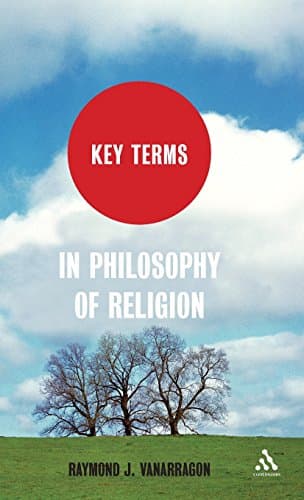
Key Terms in Philosophy of Religion
المصطلحات الأساسية في فلسفة الدين
Termes clés en philosophie de la religion
Editorial summary
This handbook serves as a comprehensive reference guide to the conceptual vocabulary essential for engaging with philosophical debates about God's existence, nature, and relationship to the world. VanArragon's work addresses a fundamental challenge in philosophy of religion: the need for precise understanding of technical terminology that often carries centuries of philosophical development and contested meanings.
The text systematically presents key concepts that structure contemporary philosophical discourse about divinity, religious belief, and theological reasoning. Rather than advocating particular positions, VanArragon provides balanced exposition of terms ranging from classical theological concepts like omnipotence, omniscience, and divine simplicity to epistemological categories such as evidentialism, reformed epistemology, and religious experience. The handbook examines how these terms function within arguments for and against theistic belief, including cosmological, teleological, and ontological arguments, as well as the problem of evil and divine hiddenness objections.
VanArragon's approach reflects awareness that philosophical terminology about God emerges from diverse intellectual traditions - scholastic theology, analytic philosophy, continental thought, and comparative philosophy of religion. The work demonstrates how seemingly straightforward terms like "faith," "miracle," or "revelation" carry complex philosophical baggage that varies across different theoretical frameworks. By clarifying these conceptual distinctions, the handbook enables more rigorous engagement with arguments that often fail due to equivocation or misunderstanding of technical vocabulary.
The text proves particularly valuable for mapping the contemporary landscape of philosophy of religion, where debates increasingly require familiarity with specialized terminology from modal logic, philosophy of mind, and metaethics. VanArragon addresses how concepts like "necessary existence," "libertarian freedom," and "divine command theory" function within current philosophical discourse. The handbook also covers methodological terms that shape how philosophers approach religious questions, including natural theology, negative theology, and religious pluralism.
This reference work contributes to the God debate by providing the conceptual tools necessary for precise philosophical analysis. Without taking sides in theological disputes, VanArragon enables clearer thinking about perennial questions concerning divine existence and attributes. The handbook serves scholars, students, and educated readers seeking to navigate the technical vocabulary that pervades serious philosophical engagement with religious questions. Its systematic treatment of key terms facilitates more productive dialogue between different positions in philosophy of religion.
Argument formulations engaged
VanArragon, Raymond J. (2011). Key Terms in Philosophy of Religion. Continuum.
@book{key-terms-in-philosophy-of-religion-2011,
  author    = {VanArragon, Raymond J.},
  title     = {Key Terms in Philosophy of Religion},
  year      = {2011},
  publisher = {Continuum},
  url       = {https://god-database.com/en/works/key-terms-in-philosophy-of-religion-2011}
}