
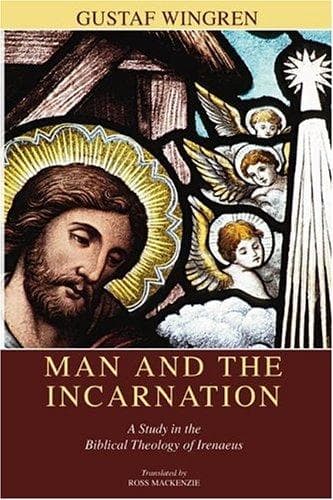
Man and the Incarnation: A Study in the Biblical Theology of Irenaeus
الإنسان والتجسد: دراسة في اللاهوت الكتابي لإيريناوس
L'homme et l'incarnation : Une étude de la théologie biblique d'Irénée
Editorial summary
Gustaf Wingren's monograph examines how Irenaeus of Lyon develops a distinctive theological anthropology through his understanding of the Incarnation, offering significant insights into second-century Christian reflection on divine-human relations. The work demonstrates how Irenaeus constructs his doctrine of God and humanity in direct opposition to Gnostic dualism, which radically separated the divine from material creation. Wingren argues that for Irenaeus, the Incarnation represents not merely a remedy for sin but the culmination of God's original creative purpose, establishing an intimate connection between protology and soteriology.
The study reveals how Irenaeus grounds his theology in a particular reading of Scripture that emphasizes the unity of the biblical narrative from Genesis to Revelation. Wingren shows that Irenaeus develops his famous concept of recapitulation through careful exegesis, understanding Christ as the new Adam who both restores and perfects humanity's original calling. This approach yields a thoroughly theocentric anthropology where human beings find their true identity only in relation to their Creator. The divine image in humanity, damaged but not destroyed by sin, finds its full realization through participation in the incarnate Word.
Wingren's analysis highlights how Irenaeus counters Gnostic contempt for materiality by affirming the goodness of creation and the body's participation in salvation. The Incarnation validates physical existence and promises its ultimate transformation. This emphasis on material redemption shapes Irenaeus's understanding of sacraments, resurrection, and the continuity between present and eschatological existence. The monograph demonstrates how these themes cohere within Irenaeus's vision of divine pedagogy, where God gradually prepares humanity for full communion with the divine life.
The work's significance lies in its recovery of a patristic voice that offers an alternative to both ancient Gnostic dualism and modern tendencies to separate spirituality from embodied existence. Wingren shows how Irenaeus provides resources for understanding the God-world relationship in terms of loving condescension rather than metaphysical distance. By focusing on Irenaeus's biblical theology rather than his polemics alone, the monograph illuminates a vision where the question of God cannot be separated from the question of human destiny. This integrated approach challenges both reductionist anthropologies and abstract theologies that neglect the concrete particularity of the Incarnation as God's definitive self-revelation.
Argument formulations engaged
Related works
Wingren, Gustaf (1959). Man and the Incarnation: A Study in the Biblical Theology of Irenaeus.
@book{man-and-the-incarnation-a-study-in-the-b,
  author    = {Wingren, Gustaf},
  title     = {Man and the Incarnation: A Study in the Biblical Theology of Irenaeus},
  year      = {1959},
  url       = {https://god-database.com/en/works/man-and-the-incarnation-a-study-in-the-biblical-theology-of-irenaeus-1959}
}