
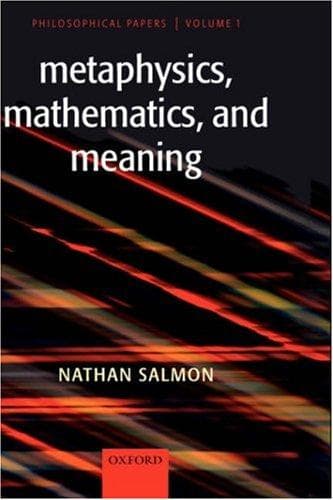
Metaphysics, Mathematics, and Meaning
الميتافيزيقا والرياضيات والمعنى
Métaphysique, mathématiques et sens
Rigorous analytic inquiry into metaphysics, the philosophy of mathematics, and the theory of meaning yields precise conceptual tools applicable across a wide range of philosophical problems.
Editorial summary
Nathan Salmon's Metaphysics, Mathematics, and Meaning presents a sophisticated collection of essays that explores fundamental questions in philosophy of language, metaphysics, and philosophy of mathematics. While not explicitly focused on arguments for or against God's existence, the work engages with conceptual frameworks that bear significantly on how philosophical theology approaches questions of divine attributes, necessary existence, and the relationship between abstract objects and theological commitments.
The monograph examines the nature of abstract objects, particularly mathematical entities and propositions, addressing whether such entities exist independently of human thought and language. This investigation connects to classical theistic debates about divine ideas and the ontological status of necessary truths. Salmon's treatment of modal logic and possible worlds semantics provides analytical tools frequently employed in contemporary discussions of the modal ontological argument and divine necessity. His rigorous approach to questions of reference and meaning offers resources for understanding how theological language functions when attributing properties to God or describing divine action.
Salmon engages critically with both Platonist and nominalist positions regarding abstract objects, a debate with direct implications for theological discussions about God's relationship to necessary truths and moral values. His analysis of mathematical truth and objectivity intersects with questions about whether objective moral values require a divine foundation, though Salmon himself maintains a primarily descriptive stance rather than advocating for theological conclusions. The work demonstrates how careful attention to semantic and metaphysical issues can clarify conceptual confusions that often plague discussions in philosophy of religion.
The book's significance for the God debate lies in its methodological contributions rather than direct theological arguments. By providing precise analytical frameworks for discussing existence, necessity, and abstract objects, Salmon equips philosophers with tools applicable to theological questions without himself taking partisan positions. His treatment of rigid designation and direct reference theory has influenced how philosophers analyze statements about God's essential properties. The work exemplifies how technical developments in analytic philosophy can indirectly shape theological discourse by refining the conceptual apparatus available for formulating and evaluating arguments about divine existence and nature. This approach reflects the broader trend in analytic philosophy of religion toward increased technical sophistication in addressing classical theological questions.
Structured analysis
Argument formulations engaged
Salmon, Nathan (2005). Metaphysics, Mathematics, and Meaning.
@book{metaphysics-mathematics-and-meaning,
  author    = {Salmon, Nathan},
  title     = {Metaphysics, Mathematics, and Meaning},
  year      = {2005},
  url       = {https://god-database.com/en/works/metaphysics-mathematics-and-meaning}
}