
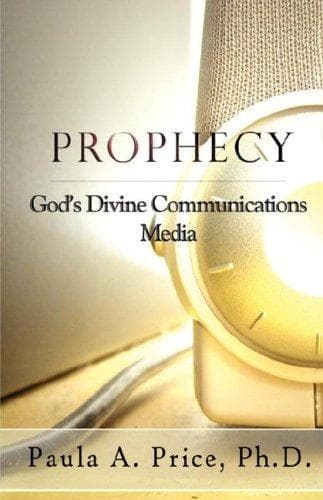
Prophecy.. God's Divine Communications Media
النبوة.. وسيلة الله الإلهية للتواصل
La prophétie.. Le média de communication divine de Dieu
Prophecy is God's primary mode of divine communication to humanity, functioning as a structured and purposeful medium through which the divine will is revealed and transmitted.
Editorial summary
This monograph examines prophecy as the primary medium through which the divine communicates with humanity, offering a systematic analysis of biblical prophetic texts and their theological implications. Paula Price argues that prophecy represents not merely human interpretation of divine will, but rather constitutes a distinct communicative framework established by God for ongoing revelation and guidance. The work positions itself within evangelical scholarship while engaging broader questions about divine-human interaction that concern both theological and philosophical discourse on religious epistemology.
Price employs textual analysis of Hebrew and Greek scriptural sources to construct a comprehensive theory of prophetic communication. Her methodology combines linguistic examination of prophetic terminology with historical contextualization of biblical prophetic traditions. The author traces the development of prophecy from ancient Israelite religion through early Christianity, arguing that consistent patterns emerge which demonstrate prophecy's role as a structured divine communication system rather than sporadic mystical experiences.
The work challenges reductionist accounts that treat prophecy as purely psychological or sociological phenomena. Against naturalistic explanations prevalent in religious studies, Price maintains that prophetic experiences possess objective divine origins while acknowledging their mediation through human consciousness and cultural contexts. She engages critically with liberal theological perspectives that minimize prophecy's supernatural dimensions, as well as cessationist positions within conservative Christianity that limit prophetic activity to the biblical era.
Central to Price's argument is the claim that prophecy operates according to discernible principles that can be studied systematically. She identifies specific characteristics of authentic prophetic communication, including verifiability, theological consistency, and transformative impact on recipients. The author develops criteria for distinguishing genuine prophecy from false claims, addressing epistemological concerns about religious knowledge claims.
The monograph's significance extends beyond confessional boundaries by offering a sophisticated defense of prophecy as a legitimate form of divine-human communication. Price's analysis contributes to debates about religious experience, revelation, and the possibility of ongoing divine communication in contemporary contexts. Her work provides theological resources for communities claiming prophetic experiences while establishing intellectual frameworks for evaluating such claims. The study represents a notable attempt to bridge devotional and academic approaches to prophecy, making theological arguments accessible to broader audiences while maintaining scholarly rigor in textual analysis and historical investigation.
Structured analysis
Argument formulations engaged
Price, Paula A (2003). Prophecy.. God's Divine Communications Media. Lightning Source Inc.
@book{prophecy-gods-divine-communications-medi,
  author    = {Price, Paula A},
  title     = {Prophecy.. God's Divine Communications Media},
  year      = {2003},
  publisher = {Lightning Source Inc},
  url       = {https://god-database.com/en/works/prophecy-gods-divine-communications-media}
}