
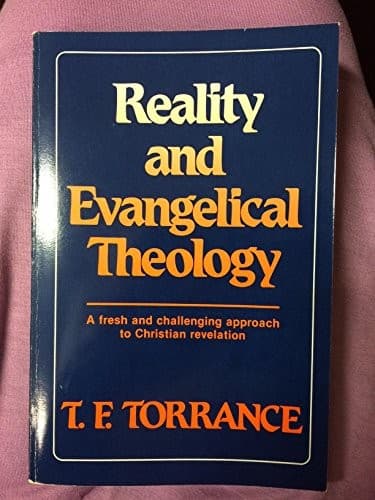
Reality and Evangelical Theology
الواقع واللاهوت الإنجيلي
Réalité et théologie évangélique
Editorial summary
This monograph represents Torrance's systematic examination of how evangelical theology must engage with objective reality through rigorous intellectual methods while maintaining fidelity to divine revelation. Writing in 1982, Torrance addresses a critical tension within evangelical Christianity between intellectual rigor and spiritual commitment, arguing that authentic evangelical theology requires both scientific precision and faithful adherence to the self-disclosure of God in Christ.
Torrance contends that evangelical theology has often suffered from a false dichotomy between academic scholarship and devotional practice. He argues that this separation stems from inadequate attention to the actual nature of theological knowledge, which must correspond to the objective reality of God rather than subjective religious experience or abstract philosophical systems. The work challenges both fundamentalist anti-intellectualism and liberal reductionism, proposing instead a theological method that takes seriously both the transcendent reality of God and the created structures through which divine revelation occurs.
Central to Torrance's argument is his insistence that theology must operate according to the nature of its object - namely, the triune God who has revealed himself definitively in Jesus Christ. He maintains that just as natural sciences develop methods appropriate to their objects of study, theology must develop approaches suited to the unique character of divine reality. This leads him to advocate for what he terms "theological science," which combines rigorous intellectual discipline with openness to the self-authenticating nature of divine revelation.
The monograph engages critically with both Enlightenment rationalism and postmodern relativism, arguing that evangelical theology offers a distinctive epistemology grounded in the incarnation. Torrance demonstrates how the incarnation establishes the possibility of genuine knowledge of God while preserving divine transcendence. He particularly emphasizes how the resurrection validates the reliability of apostolic witness while establishing the eschatological framework within which all theological reflection must operate.
Torrance's contribution lies in providing evangelical theology with a sophisticated philosophical framework that avoids both naive biblicism and theological liberalism. His work offers evangelicals a way to engage seriously with contemporary intellectual challenges while maintaining core commitments to biblical authority and the centrality of Christ. The monograph remains influential for its articulation of how evangelical theology can be both intellectually credible and spiritually authentic, demonstrating that rigorous thinking enhances rather than undermines genuine faith commitment.
Argument formulations engaged
Torrance, Thomas F. (1982). Reality and Evangelical Theology.
@book{reality-and-evangelical-theology-1982,
  author    = {Torrance, Thomas F.},
  title     = {Reality and Evangelical Theology},
  year      = {1982},
  url       = {https://god-database.com/en/works/reality-and-evangelical-theology-1982}
}