
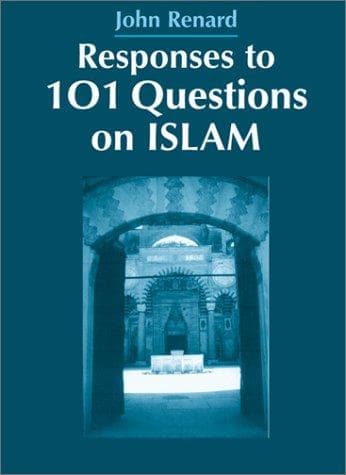
Responses to 101 Questions on Islam
إجابات على 101 سؤال حول الإسلام
Réponses à 101 questions sur l'Islam
Editorial summary
This comprehensive introduction to Islam addresses widespread misconceptions and questions about the world's second-largest religion through a systematic question-and-answer format. Renard structures his work around 101 commonly posed queries, ranging from basic theological concepts to practical matters of worship, ethics, and contemporary challenges facing Muslim communities. The monograph serves as an accessible yet scholarly bridge between Islamic self-understanding and Western curiosity about the tradition.
The work begins with fundamental questions about Islamic belief, exploring the nature of Allah, the role of Muhammad as prophet, and the authority of the Quran. Renard carefully explains Islamic monotheism (tawhid) and its implications for understanding divine attributes, providence, and human responsibility. He situates Islamic theology within its Abrahamic context, highlighting both continuities with Judaism and Christianity and distinctive Islamic developments. The author addresses the question of religious pluralism, examining how Islamic sources understand other faiths and the concept of salvation beyond Islam.
Moving from doctrine to practice, Renard elucidates the Five Pillars and their spiritual significance, while also covering broader ethical principles that govern Muslim life. He examines Islamic perspectives on social justice, gender relations, and bioethical issues, demonstrating how classical sources inform contemporary deliberation. The work notably addresses contentious topics including jihad, Islamic law (sharia), and the relationship between religion and politics in Muslim societies.
Renard's approach combines sympathetic presentation with critical analysis. He draws on primary Islamic sources—Quran, hadith literature, and classical theological texts—while incorporating insights from contemporary Muslim scholars and Western academic research. The author acknowledges diversity within Islamic thought, avoiding monolithic presentations while identifying mainstream positions. His method reflects the phenomenological tradition in religious studies, prioritizing accurate description of believers' own understanding while maintaining scholarly objectivity.
The monograph's significance lies in its capacity to foster informed dialogue about Islam in Western contexts. By addressing actual questions posed by non-Muslims, Renard identifies and corrects common misunderstandings that impede interreligious understanding. His treatment of theological questions—divine unity, revelation, prophecy, and eschatology—provides essential background for comparative theological work. The text serves both as an educational resource for general readers and as a reference work for scholars engaged in Christian-Muslim dialogue or comparative studies of Abrahamic monotheisms.
Argument formulations engaged
Renard, John (1998). Responses to 101 Questions on Islam.
@book{responses-to-101-questions-on-islam-1998,
  author    = {Renard, John},
  title     = {Responses to 101 Questions on Islam},
  year      = {1998},
  url       = {https://god-database.com/en/works/responses-to-101-questions-on-islam-1998}
}