
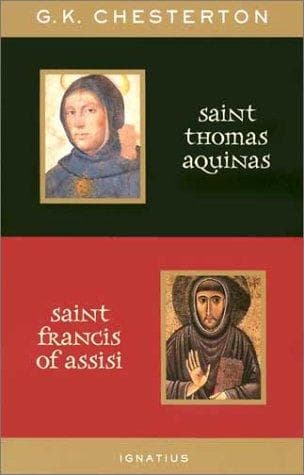
St. Francis of Assisi
القديس فرنسيس الأسيزي
Saint François d'Assise
Editorial summary
This biographical study presents Francis of Assisi as a revolutionary figure whose radical Christianity challenges both medieval and modern sensibilities. Chesterton constructs his subject not as a gentle nature mystic but as a passionate reformer whose apparent eccentricities stem from profound theological convictions. The work situates Francis within a broader argument about authentic religious experience and its capacity to transform both individual consciousness and social structures.
Chesterton's methodology combines historical investigation with theological reflection, deliberately rejecting both hagiographic idealization and secular reductionism. He portrays Francis as simultaneously medieval and timeless, arguing that the saint's embrace of poverty and creation represents not escapism but engagement with fundamental spiritual realities. The biography emphasizes Francis's role as a "troubadour of God," whose joyful asceticism confounds both worldly pragmatism and religious formalism.
The work engages critically with modernist interpretations that would reduce Francis to a humanitarian reformer or proto-environmentalist. Chesterton insists that Francis's love of nature stems from supernatural vision rather than natural sentiment, and that his social reforms emerge from mystical experience rather than political ideology. This reading positions Francis as evidence for the transformative power of authentic faith, suggesting that genuine religious experience produces effects inexplicable through purely naturalistic frameworks.
Central to Chesterton's argument is the concept of Christian paradox. He presents Francis's life as embodying apparent contradictions - joy through suffering, wealth through poverty, strength through weakness - that reveal deeper spiritual truths. This paradoxical logic serves Chesterton's broader apologetic purpose, suggesting that Christianity's seeming absurdities point toward transcendent realities rather than logical incoherence.
The biography's theological significance lies in its implicit argument about divine action in history. By presenting Francis as a figure whose life and influence defy conventional explanation, Chesterton suggests the ongoing presence of supernatural grace in human affairs. The work thus functions as both historical narrative and theological meditation, using Francis's particular story to illuminate universal questions about God's relationship to creation.
While acknowledging the historical distance between Francis and modernity, Chesterton argues for the saint's continued relevance. He presents Franciscan spirituality as offering resources for addressing modern alienation from both nature and the divine, suggesting that Francis's integration of contemplation and action provides a model for authentic religious life in any era.
Argument formulations engaged
Related works
Chesterton, G. K. (1923). St. Francis of Assisi. Hodder & Stoughton.
@book{st-francis-of-assisi-1923,
  author    = {Chesterton, G. K.},
  title     = {St. Francis of Assisi},
  year      = {1923},
  publisher = {Hodder & Stoughton},
  url       = {https://god-database.com/en/works/st-francis-of-assisi-1923}
}