
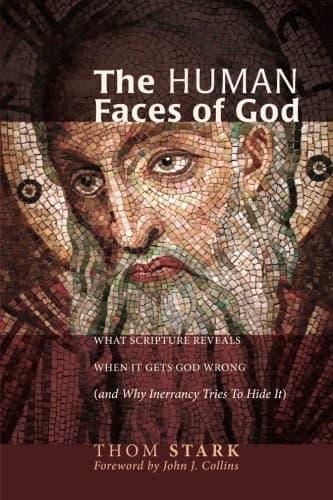
The Human Faces of God
الوجوه الإنسانية لله
Les Visages humains de Dieu
Editorial summary
This provocative monograph challenges evangelical Christianity's doctrine of biblical inerrancy through a systematic examination of morally and intellectually problematic texts in Scripture. Stark, writing from within the evangelical tradition as a former inerrantist himself, argues that the Bible contains not only historical and scientific errors but also theological contradictions and divinely sanctioned violence that cannot be reconciled with contemporary Christian ethics or the character of God as revealed in Jesus Christ.
The work proceeds through careful exegetical analysis of troubling biblical passages, including divine commands for genocide in the conquest narratives, human sacrifice in Judges, and evolving theological concepts across the Hebrew Bible and New Testament. Stark demonstrates how traditional harmonizing strategies fail to resolve these difficulties without doing violence to the texts themselves. Rather than dismissing these passages as mere ancient Near Eastern hyperbole or reinterpreting them allegorically, he insists readers must confront them honestly as reflecting genuine beliefs of biblical authors about God's nature and will.
Stark's methodology combines historical-critical scholarship with theological reflection, drawing extensively on mainstream biblical scholarship while remaining accessible to lay readers. He engages directly with prominent evangelical defenders of inerrancy, particularly Paul Copan and William Lane Craig, systematically refuting their attempts to justify or explain away morally troubling texts. The author argues that clinging to inerrancy forces Christians into intellectual dishonesty and moral compromise, ultimately undermining authentic faith.
The monograph's central thesis proposes that Scripture should be understood as a human testimony to encounters with the divine rather than as God's direct revelation. This perspective allows Christians to acknowledge the Bible's human limitations while still finding spiritual value in its witness. Stark advocates for a model of progressive revelation that recognizes development and even correction within the biblical tradition itself, culminating in Jesus's radical ethic of enemy love that supersedes earlier violent portraits of God.
The work's significance lies in its insider critique of evangelical bibliology and its constructive proposal for maintaining Christian faith without inerrancy. By demonstrating how the doctrine of inerrancy itself becomes an obstacle to faithful biblical interpretation and ethical living, Stark contributes to ongoing debates about religious authority, the nature of revelation, and how progressive Christians might relate to their scriptural tradition while acknowledging its human origins and limitations.
Argument formulations engaged
Related works
Stark, Thom (2011). The Human Faces of God. Wipf & Stock Pub.
@book{the-human-faces-of-god-2011,
  author    = {Stark, Thom},
  title     = {The Human Faces of God},
  year      = {2011},
  publisher = {Wipf & Stock Pub},
  url       = {https://god-database.com/en/works/the-human-faces-of-god-2011}
}