
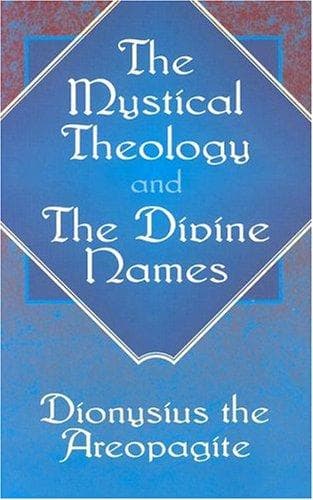
The Mystical Theology
اللاهوت الصوفي
La Théologie mystique
Editorial summary
This enigmatic treatise represents one of the most influential texts in Christian mysticism, fundamentally shaping medieval and modern approaches to apophatic theology. The author, writing under the pseudonym of Paul's Athenian convert mentioned in Acts, constructs a radical methodology for approaching divine reality through systematic negation. The work's central argument posits that God utterly transcends all conceptual categories, linguistic formulations, and intellectual apprehension, necessitating a mystical ascent through unknowing rather than knowing.
The text develops its argument through a hierarchical schema of divine names and attributes, each of which must ultimately be negated to approach authentic union with God. Beginning with cataphatic affirmations about divine goodness, being, and wisdom, the author progressively strips away these conceptual scaffolds, arguing that God transcends even the most exalted theological predicates. This methodological negation extends beyond mere intellectual exercise, demanding a complete divestiture of sensory perception, rational thought, and linguistic mediation. The famous metaphor of Moses ascending Mount Sinai into divine darkness illustrates this mystical trajectory, where increasing proximity to God correlates with deepening obscurity rather than illumination.
Against the prevailing Neoplatonic philosophy of his era, which emphasized emanative hierarchies and intellectual contemplation, the author radicalizes negative theology into a transformative spiritual discipline. While drawing extensively on Proclus and other Neoplatonic sources, the work distinctively Christianizes these concepts, grounding mystical union in liturgical practice and ecclesiastical hierarchy. The treatise explicitly challenges both rationalistic approaches to theology and crude anthropomorphism, positioning itself against any reduction of divine reality to human categories.
The work's enduring significance lies in its systematic articulation of apophatic method and its influence on subsequent mystical traditions. Through Latin translations by John Scotus Eriugena and adoptions by figures like Meister Eckhart and John of the Cross, Dionysian negative theology became central to Western mysticism. The text establishes a crucial dialectic between cataphatic and apophatic approaches, arguing that authentic theological discourse requires both affirmation and negation, ultimately transcending language itself in mystical union. Its insistence on divine incomprehensibility profoundly shaped debates about religious language, mystical experience, and the limits of theological knowledge throughout the medieval period and beyond.
Argument formulations engaged
Areopagite, Pseudo-Dionysius the (500). The Mystical Theology.
@book{the-mystical-theology-500,
  author    = {Areopagite, Pseudo-Dionysius the},
  title     = {The Mystical Theology},
  year      = {500},
  url       = {https://god-database.com/en/works/the-mystical-theology-500}
}