
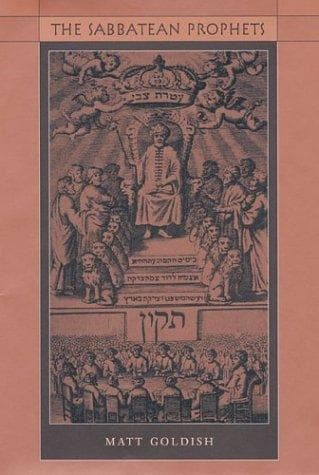
The Sabbatean Prophets
الأنبياء الشبتانيون
Les prophètes sabbatéens
The Sabbatean movement generated a distinctive prophetic culture rooted in Jewish, Christian, and Islamic traditions, revealing how claims to prophecy function as social and theological forces in early modern religious life.
Editorial summary
This monograph examines the prophetic dimension of the Sabbatean movement, a messianic phenomenon that emerged in the seventeenth century around Sabbatai Zevi, who claimed to be the Jewish messiah. Goldish investigates how prophecy functioned as a legitimating force within this controversial religious movement and explores the broader implications for understanding prophetic claims in religious history.
The work situates Sabbateanism within the context of early modern religious enthusiasm, drawing parallels with Christian millenarian movements and Islamic mystical traditions. Goldish demonstrates that the movement's prophets, particularly Nathan of Gaza and others who supported Sabbatai Zevi's messianic claims, employed sophisticated theological arguments to justify their visions and revelations. These prophetic figures claimed direct divine communication that superseded traditional rabbinic authority, creating a crisis of religious epistemology within Jewish communities.
Central to Goldish's analysis is the examination of how prophetic authority operates when traditional religious structures are challenged. He shows that Sabbatean prophets developed complex hermeneutical strategies to reconcile Sabbatai Zevi's antinomian behavior and eventual conversion to Islam with messianic expectations. The prophets reinterpreted Jewish mystical texts, particularly Lurianic Kabbalah, to create a theological framework that could accommodate apparent contradictions and maintain the movement's coherence despite its leader's apostasy.
The monograph contributes to debates about religious authority and the verification of divine communication by analyzing how communities evaluate prophetic claims. Goldish reveals that the Sabbatean prophets faced the perennial challenge of establishing credibility for supernatural experiences within rationalist critiques from both within and outside the Jewish community. His intellectual-historical approach traces how these prophets engaged with philosophical and theological objections, developing increasingly elaborate justifications for their revelatory experiences.
The work's significance lies in its demonstration that prophecy arguments in religious discourse involve complex negotiations between charismatic authority, textual tradition, and communal validation. Goldish shows how the Sabbatean case illuminates broader patterns in religious movements that claim direct divine revelation, particularly when such claims challenge established religious hierarchies. His analysis provides valuable insights into how prophetic movements navigate the tension between innovation and tradition, offering a nuanced understanding of religious epistemology in practice rather than advancing any particular position on the ultimate validity of prophetic claims.
Structured analysis
Argument formulations engaged
Goldish, Matt (2004). The Sabbatean Prophets.
@book{the-sabbatean-prophets,
  author    = {Goldish, Matt},
  title     = {The Sabbatean Prophets},
  year      = {2004},
  url       = {https://god-database.com/en/works/the-sabbatean-prophets}
}