
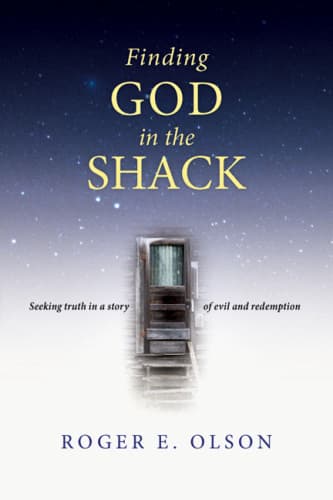
Finding God in the Shack
العثور على الله في الكوخ
Trouver Dieu dans la cabane
Editorial summary
This monograph examines William P. Young's bestselling novel The Shack through a theological lens, defending its portrayal of divine-human encounter against widespread evangelical criticism. Rauser addresses the controversy surrounding Young's unconventional depiction of the Trinity, particularly the representation of God the Father as an African American woman and the Holy Spirit as an Asian woman. While many conservative Christians denounced these portrayals as heretical, Rauser argues that such imagery serves legitimate theological purposes within the narrative framework of addressing protagonist Mack's spiritual trauma.
The work systematically engages with major theological objections raised against The Shack, including accusations of modalism, universalism, and anti-institutional church sentiment. Rauser employs careful exegetical analysis to demonstrate how Young's narrative choices often reflect sophisticated theological reasoning rather than doctrinal deviation. He particularly defends the novel's emphasis on divine suffering and relational theology, arguing these themes resonate with legitimate streams of Christian thought from Moltmann to contemporary open theism.
Rauser's analysis contributes to broader discussions about popular theology and the role of imaginative literature in shaping religious understanding. He positions The Shack within the tradition of theological fiction, comparing it to works by C.S. Lewis and George MacDonald while acknowledging its distinctive contemporary approach to theodicy. The monograph addresses the tension between systematic theology and narrative theology, suggesting that Young's creative liberties serve to communicate profound truths about divine love and human suffering that propositional theology sometimes fails to convey.
The work's significance extends beyond defending a controversial novel to addressing fundamental questions about divine representation, religious language, and the boundaries of orthodox expression. Rauser challenges readers to distinguish between essential doctrinal commitments and cultural conventions in depicting the divine. His sympathetic yet critically engaged reading demonstrates how popular religious fiction can provoke serious theological reflection, even when employing unconventional imagery.
Throughout, Rauser maintains that The Shack's core message affirms rather than undermines Christian orthodoxy, presenting a God who enters human suffering with transformative love. His analysis suggests that visceral reactions against the novel often reveal more about readers' theological assumptions than about the work's actual doctrinal positions. This defense of imaginative theology against rigid dogmatism contributes to ongoing debates about religious authority, biblical interpretation, and the nature of divine revelation in contemporary culture.
Argument formulations engaged
Rauser, Ronald D. (2009). Finding God in the Shack.
@book{finding-god-in-the-shack-2009,
  author    = {Rauser, Ronald D.},
  title     = {Finding God in the Shack},
  year      = {2009},
  url       = {https://god-database.com/en/works/finding-god-in-the-shack-2009}
}