
Editorial summary
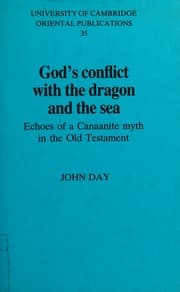
This monograph examines the ancient Near Eastern mythological motif of divine conflict with chaotic sea monsters and its adaptation in Hebrew biblical literature. Day traces how Israelite authors transformed polytheistic combat myths into expressions of Yahweh's supremacy, offering crucial insights into how monotheistic theology emerged from and responded to its polytheistic environment.
The work systematically analyzes biblical passages featuring conflicts between God and various sea creatures, including Leviathan, Rahab, and the dragon Yam. Day demonstrates that these texts preserve echoes of Canaanite mythology, particularly the Baal cycle where the storm god battles the sea deity Yam. Through detailed philological analysis and comparative study of Ugaritic texts, he shows how biblical authors appropriated these mythological elements while fundamentally reconceptualizing them. Where Canaanite myth depicted ongoing struggle between deities, biblical texts present Yahweh's absolute dominion over chaotic forces.
Day's methodology combines historical-critical analysis with comparative mythology, examining parallel texts from Mesopotamian, Ugaritic, and other ancient Near Eastern sources. He distinguishes between different literary contexts where these motifs appear: creation accounts, historical deliverances, and eschatological visions. The study reveals how the same mythological pattern serves multiple theological purposes, from affirming God's creative power to promising future redemption.
The monograph addresses scholarly debates about biblical monotheism's relationship to surrounding polytheistic cultures. Against those who minimize mythological elements in Hebrew scripture, Day demonstrates their pervasive presence. Conversely, against those who see simple borrowing, he shows creative theological transformation. His analysis illuminates how Israelite religion developed its distinctive understanding of divine power through selective appropriation and radical reinterpretation of common ancient Near Eastern motifs.
This work significantly contributes to understanding how conceptions of God evolved in ancient Israel. By mapping the transformation of polytheistic combat myths into monotheistic affirmations, Day reveals the complex process through which biblical authors articulated their understanding of divine sovereignty. His findings challenge simplistic notions of either pure biblical originality or uncritical dependence on surrounding cultures. The study demonstrates that Israelite theology emerged through sophisticated engagement with its religious environment, adapting shared symbols to express distinctive claims about Yahweh's unique status and power. This analysis remains foundational for scholars examining how ancient texts conceptualized divine nature and action.
Argument formulations engaged
Day, John (1985). God's Conflict with the Dragon and the Sea.
@book{gods-conflict-with-the-dragon-and-the-se,
  author    = {Day, John},
  title     = {God's Conflict with the Dragon and the Sea},
  year      = {1985},
  url       = {https://god-database.com/en/works/gods-conflict-with-the-dragon-and-the-sea-1985}
}