
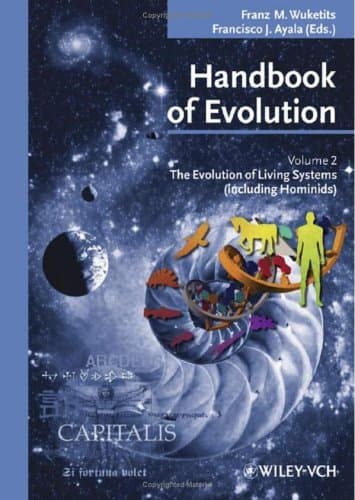
Human Biology.. An Evolutionary and Biocultural Perspective
علم الأحياء البشرية.. منظور تطوري وبيوثقافي
Biologie humaine.. Une perspective évolutive et bioculturelle
Human biology, understood through both evolutionary theory and biocultural analysis, provides an indispensable scientific framework for situating questions about human nature, origins, and meaning.
Editorial summary
This edited volume presents a comprehensive examination of human biology through the dual lens of evolutionary theory and biocultural analysis. The collection brings together contributions that explore how biological evolution and cultural development interact to shape human nature, with implications that touch upon traditional theological and philosophical questions about human origins and purpose.
The work engages critically with design and fine-tuning arguments by presenting naturalistic explanations for phenomena often cited as evidence of divine design. Contributors examine complex biological systems, cognitive capabilities, and cultural achievements through evolutionary frameworks, demonstrating how apparent design can emerge through natural selection and cultural evolution without requiring supernatural intervention. The volume particularly addresses how human consciousness, morality, and symbolic thinking—features traditionally associated with divine endowment—can be understood as products of evolutionary processes.
Wuketits and his contributors employ philosophy of science methodology to analyze the explanatory power of evolutionary theory versus design-based accounts of human nature. The volume examines how evolutionary biology provides testable hypotheses and empirical predictions about human behavior, physiology, and cultural development, contrasting this with the non-falsifiable nature of design arguments. Special attention is given to the biocultural perspective, which recognizes that human evolution cannot be understood purely through biological mechanisms but must account for the complex feedback between genetic evolution and cultural innovation.
The work's significance to the God debate lies in its systematic demonstration of how scientific understanding of human origins challenges traditional religious narratives without necessarily eliminating all space for religious belief. By showing how human complexity emerges from natural processes, the volume undermines arguments that cite human uniqueness as evidence for special creation or divine design. However, the contributors generally maintain a descriptive rather than prescriptive stance, focusing on what evolutionary science reveals about human nature rather than making explicit claims about God's existence or non-existence.
The volume represents an important contribution to naturalistic approaches to understanding humanity, providing resources for those who seek to explain human phenomena without recourse to supernatural causation. Its interdisciplinary approach, combining biological, anthropological, and philosophical perspectives, offers a robust alternative to design-based explanations while acknowledging the genuine complexity of human existence that motivates such theological arguments.
Structured analysis
Argument formulations engaged
Wuketits, Franz M. (2005). Human Biology.. An Evolutionary and Biocultural Perspective. Wiley-VCH.
@book{human-biology-an-evolutionary-and-biocul,
  author    = {Wuketits, Franz M.},
  title     = {Human Biology.. An Evolutionary and Biocultural Perspective},
  year      = {2005},
  publisher = {Wiley-VCH},
  url       = {https://god-database.com/en/works/human-biology-an-evolutionary-and-biocultural-perspective}
}