
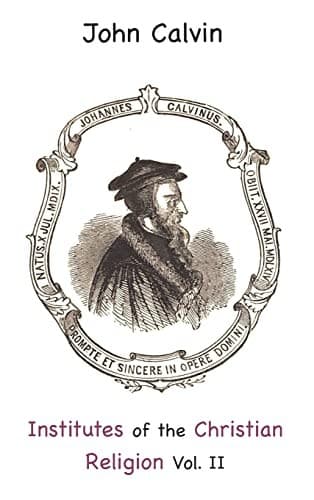
Institutes of the Christian Religion
أسس الديانة المسيحية
Institution de la religion chrétienne
Editorial summary
John Calvin's Institutes of the Christian Religion stands as one of the most systematic and influential theological treatises in Protestant history. Originally published in 1536 and expanded through multiple editions until 1559, the work presents a comprehensive exposition of Reformed theology centered on the absolute sovereignty of God. Calvin structures his argument around the knowledge of God as Creator and Redeemer, developing a theological system that fundamentally reshapes medieval scholastic approaches to divine-human relations.
The work's central contribution to theological discourse lies in its radical emphasis on divine sovereignty and human depravity. Calvin argues that authentic knowledge of God comes solely through Scripture and the internal testimony of the Holy Spirit, rejecting both natural theology and ecclesiastical tradition as sufficient sources of divine knowledge. His doctrine of predestination, perhaps the most controversial aspect of the Institutes, posits that God eternally decrees both election and reprobation, a position that directly challenges medieval Catholic soteriology and even diverges from other Protestant reformers like Philip Melanchthon.
Calvin employs a rigorously biblical methodology, grounding each theological assertion in extensive scriptural exegesis while engaging critically with patristic sources, particularly Augustine. His approach combines humanist textual methods with scholastic systematic organization, creating a new genre of Protestant dogmatics. The Institutes systematically refutes Catholic sacramental theology, papal authority, and the cult of saints, while also distinguishing Calvin's position from Anabaptist and Lutheran alternatives.
The work's significance extends beyond its immediate polemical context. Calvin's articulation of the relationship between divine sovereignty and human responsibility establishes a theological framework that profoundly influences subsequent Reformed theology, from Theodore Beza to the Westminster Confession. His doctrine of the sensus divinitatis provides a sophisticated epistemological foundation for theistic belief, arguing that knowledge of God is innate though corrupted by sin. The Institutes also develops a distinctive understanding of divine providence that encompasses both general and special providence, maintaining God's active governance of creation against Epicurean chance and Stoic fate.
Calvin's systematic presentation of God as absolutely sovereign yet genuinely relational through Christ shapes Protestant theological method and content for centuries. His integration of biblical exegesis, theological argumentation, and practical piety creates a comprehensive vision of Christian life under God's sovereign rule, establishing the Institutes as a foundational text for Reformed Christianity's understanding of divine nature and action.
Argument formulations engaged
Related works
Calvin, John (1536). Institutes of the Christian Religion. Christian Focus Publications.
@book{institutes-of-the-christian-religion-153,
  author    = {Calvin, John},
  title     = {Institutes of the Christian Religion},
  year      = {1536},
  publisher = {Christian Focus Publications},
  url       = {https://god-database.com/en/works/institutes-of-the-christian-religion-1536}
}