
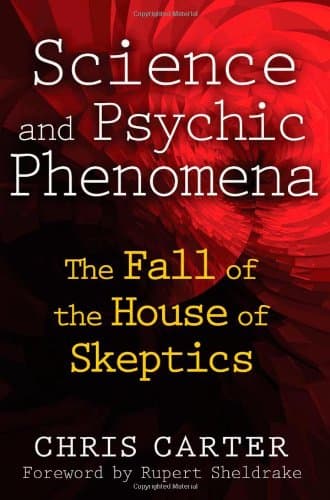
Science and Psychic Phenomena
العلم والظواهر النفسية الخارقة
La science et les phénomènes psychiques
The scientific dismissal of psychic phenomena rests more on prior materialist commitments than on a fair evaluation of the empirical evidence, and a genuinely open inquiry would take the data seriously.
Editorial summary
This monograph examines the scientific legitimacy of psychic phenomena research, engaging primarily with materialist objections to parapsychology while exploring broader implications for consciousness studies and the philosophy of mind. Carter constructs a defense of parapsychological research by critiquing what he identifies as dogmatic skepticism within the scientific establishment, arguing that resistance to psychic phenomena stems more from philosophical presuppositions than empirical inadequacy.
The work employs philosophy of science methodology to analyze the epistemological standards applied to parapsychological research. Carter contends that critics of psychic phenomena research often invoke stricter evidential requirements than those applied to conventional scientific domains, revealing an inconsistent application of scientific method. He examines historical cases where mainstream science rejected phenomena later accepted as legitimate, suggesting that current dismissals of parapsychology may reflect similar prejudices rather than genuine scientific evaluation.
Central to Carter's argument is the claim that psychic phenomena, if genuine, challenge materialist assumptions about consciousness that underpin much contemporary neuroscience and cognitive science. He engages with the consciousness argument family by suggesting that phenomena such as telepathy, precognition, and psychokinesis indicate consciousness possesses properties inexplicable within purely physicalist frameworks. This positions parapsychology as relevant to broader philosophical debates about the nature of mind and its relationship to physical reality.
The author addresses prominent skeptics including James Randi, Paul Kurtz, and members of the Committee for Skeptical Inquiry, analyzing their critiques of parapsychological research. Carter argues these critics often misrepresent experimental data, employ double standards, and substitute philosophical materialism for empirical investigation. He examines specific controversies in parapsychological research, including debates over experimental methodology, statistical analysis, and replication issues.
While not explicitly theological, the work has implications for the God debate through its challenge to materialist worldviews that typically exclude both psychic phenomena and religious experience. Carter suggests that if consciousness possesses non-physical properties demonstrated through psychic phenomena, this opens conceptual space for other non-material realities, though he stops short of making explicit religious claims.
The monograph contributes to dialogical approaches in philosophy of religion by demonstrating how empirical questions about consciousness intersect with metaphysical debates traditionally associated with religious discourse, while maintaining focus on methodological rather than theological concerns.
Structured analysis
Argument formulations engaged
Related works
Carter, Chris (2007). Science and Psychic Phenomena. Inner Traditions.
@book{science-and-psychic-phenomena,
  author    = {Carter, Chris},
  title     = {Science and Psychic Phenomena},
  year      = {2007},
  publisher = {Inner Traditions},
  url       = {https://god-database.com/en/works/science-and-psychic-phenomena}
}