
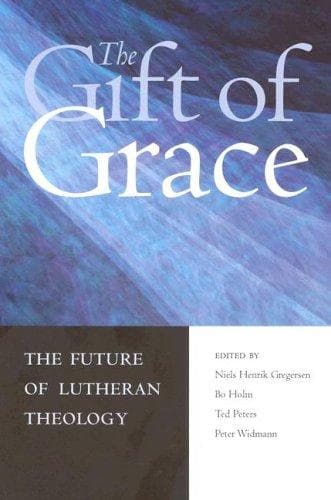
The Gift of Grace: The Future of Lutheran Theology
هبة النعمة: مستقبل اللاهوت اللوثري
Le Don de la Grâce : L'Avenir de la Théologie Luthérienne
Editorial summary
This edited volume examines Lutheran theology's contemporary relevance and future trajectory through sustained engagement with its central doctrine of grace. Gregersen brings together international Lutheran scholars to explore how the tradition's core insights about God's gratuitous self-giving might address current theological, philosophical, and cultural challenges. The collection argues that Lutheran theology's distinctive understanding of grace as pure gift offers vital resources for renewing Christian discourse about God in late modernity.
The volume's contributors analyze grace through multiple lenses: systematic theology, biblical studies, philosophy of religion, and practical theology. Several essays engage critically with postmodern thought, demonstrating how Lutheran concepts of grace both resonate with and challenge contemporary philosophical rejections of metaphysical foundations. The authors contend that Luther's radical emphasis on God's unconditional generosity provides an alternative to both modern rationalist proofs for God's existence and postmodern declarations of divine absence. Grace emerges not as abstract doctrine but as the experienced reality of God's presence that precedes and exceeds human attempts at theological systematization.
Particularly significant is the volume's treatment of grace in relation to creation and natural theology. Contributors argue that Lutheran theology need not oppose reason or natural knowledge of God, but rather understands these as themselves gifts of grace. This perspective reframes classical debates about faith and reason, suggesting that recognition of God in creation depends not on autonomous human capacity but on divine self-communication. The essays thus challenge both fideistic rejections of natural theology and rationalistic attempts to establish God's existence through purely philosophical argumentation.
The collection also addresses grace's implications for ethics, ecclesiology, and interfaith dialogue. Authors explore how understanding salvation as pure gift might reshape Christian engagement with religious pluralism and secular culture. Rather than defensive apologetics, they propose a theology of generous engagement rooted in confidence about God's prior and continuing gracious action in the world.
Gregersen's editorial vision presents Lutheran theology not as antiquated confessionalism but as a living tradition capable of fresh insights into perennial questions about God, humanity, and salvation. The volume demonstrates how retrieval of classical Protestant themes can generate constructive proposals for contemporary theology, making important contributions to discussions about divine action, religious epistemology, and the relationship between grace and human agency.
Argument formulations engaged
Gregersen, Niels Henrik (2005). The Gift of Grace: The Future of Lutheran Theology. Fortress Press.
@book{the-gift-of-grace-the-future-of-lutheran,
  author    = {Gregersen, Niels Henrik},
  title     = {The Gift of Grace: The Future of Lutheran Theology},
  year      = {2005},
  publisher = {Fortress Press},
  url       = {https://god-database.com/en/works/the-gift-of-grace-the-future-of-lutheran-theology-2005}
}