
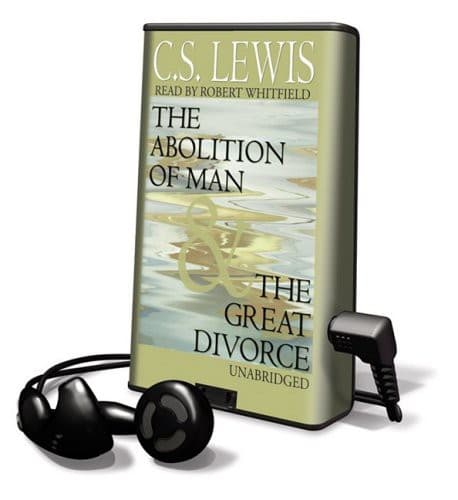
The Great Divorce
الطلاق العظيم
Le Grand Divorce
Editorial summary
This allegorical work presents Lewis's vision of the afterlife as a theological argument about human freedom, divine grace, and the nature of damnation. Through a fictional bus journey from a grey, insubstantial hell to the solid reality of heaven's foothills, Lewis explores why souls might choose eternal separation from God. The narrative follows an unnamed protagonist who observes various encounters between solid, glorified spirits and translucent ghosts who have traveled from hell, each dialogue revealing different reasons why the damned resist salvation even when offered it freely.
Lewis's central theological argument challenges both universalist positions and strict predestinarian views. Against universalism, he contends that God respects human freedom absolutely, allowing individuals to reject Him eternally if they insist. Against hard predestination, he depicts damnation as ultimately self-chosen rather than divinely imposed. The work's title references the impossibility of maintaining both good and evil, heaven and hell, within the same soul - one must ultimately choose. Through characters who cling to intellectual pride, manipulative love, artistic vanity, and various other attachments, Lewis illustrates how sin becomes its own punishment when souls prefer their obsessions to divine reality.
The philosophical framework draws heavily from Lewis's readings of George MacDonald, who appears as the protagonist's guide, and engages with Dante's vision while offering a Protestant alternative. Lewis employs Platonic imagery where heavenly reality possesses greater substantiality than hellish shadow, reversing common materialist assumptions. His method combines imaginative fiction with theological argument, making abstract doctrines concrete through dramatic encounters. Each ghost's refusal of heaven illuminates different theological errors: presuming upon grace without repentance, demanding rights rather than accepting mercy, or insisting that earthly values supersede divine ones.
The work's significance lies in its vivid portrayal of damnation as the natural consequence of priorities that elevate created goods above the Creator. Lewis argues that hell's doors are locked from the inside, challenging both religious complacency and secular dismissals of eternal consequences. His vision emphasizes that salvation requires not merely intellectual assent but the complete reorientation of desire toward God. This imaginative theology continues to influence contemporary discussions about divine justice, human freedom, and the possibility of postmortem repentance, offering a psychologically penetrating account of how souls might logically choose misery over joy.
Argument formulations engaged
Related works
Lewis, C.S. (1945). The Great Divorce. Geoffrey Bles.
@book{the-great-divorce-1945,
  author    = {Lewis, C.S.},
  title     = {The Great Divorce},
  year      = {1945},
  publisher = {Geoffrey Bles},
  url       = {https://god-database.com/en/works/the-great-divorce-1945}
}