
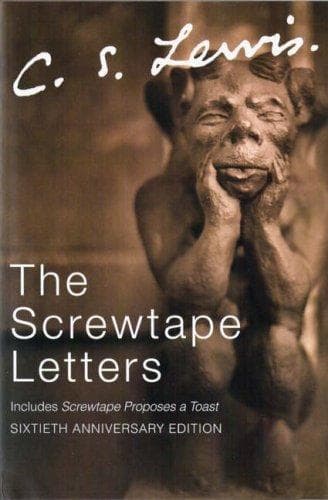
The Screwtape Letters
رسائل شيطان صغير
Tactique du diable
Editorial summary
This epistolary novel presents a series of fictional letters from a senior demon, Screwtape, to his nephew Wormwood, a junior tempter. Through this inverted perspective, Lewis constructs a sophisticated theodicy and moral psychology that illuminates Christian theological claims about human nature, divine grace, and spiritual warfare. The work represents a significant contribution to popular Christian apologetics by employing literary imagination rather than philosophical argumentation to defend theistic belief.
The novel's central apologetic strategy involves demonstrating Christianity's explanatory power through negative exposition. By depicting demonic strategies for leading humans away from God, Lewis indirectly articulates a vision of authentic spiritual life. Screwtape's frustrations with human beings who pray, practice virtue, and experience divine grace serve to validate these practices as spiritually efficacious. The demon's tactical advice reveals, in photographic negative, Lewis's understanding of how divine providence operates through ordinary human experience.
Lewis engages several key debates within Christian theology and philosophy of religion. His treatment of moral psychology challenges both rationalist and emotivist accounts of ethics, suggesting that virtue requires the integration of reason, emotion, and habit under divine grace. The work critiques modern materialism and historicism, which Screwtape encourages as useful tools for obscuring spiritual reality. Lewis also addresses the problem of divine hiddenness by suggesting that God's apparent absence serves human freedom and moral development.
The intellectual context includes Lewis's engagement with contemporary theological modernism and scientific materialism. Writing during World War 2, he responds to cultural anxieties about meaning and morality by reasserting traditional Christian claims about spiritual reality. The work reflects Lewis's synthesis of medieval Christian thought, particularly regarding angels and demons, with modern psychological insights about temptation and moral formation.
The novel's lasting significance lies in its accessibility and rhetorical effectiveness. By adopting the demon's perspective, Lewis circumvents direct preaching while making Christianity's claims about human nature and divine purpose vivid and plausible. The work demonstrates how imaginative literature can serve apologetic purposes, presenting theological arguments through narrative rather than systematic exposition. Its influence extends beyond academic theology into popular Christian thought, shaping how many believers conceptualize spiritual struggle and divine grace in everyday life.
Argument formulations engaged
Related works
Lewis, C.S. (1942). The Screwtape Letters. Geoffrey Bles.
@book{the-screwtape-letters-1942,
  author    = {Lewis, C.S.},
  title     = {The Screwtape Letters},
  year      = {1942},
  publisher = {Geoffrey Bles},
  url       = {https://god-database.com/en/works/the-screwtape-letters-1942}
}