
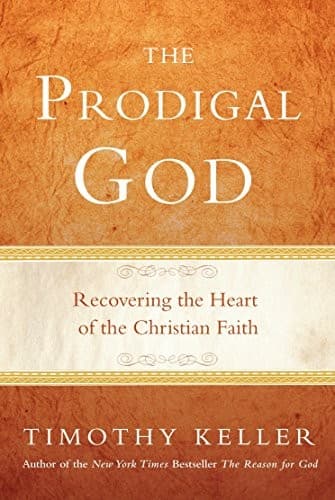
The Prodigal God: Recovering the Heart of the Christian Faith
الإله الضال: استعادة قلب الإيمان المسيحي
Le Dieu prodigue : Retrouver le cœur de la foi chrétienne
Editorial summary
This work presents a theological reinterpretation of Jesus' parable of the prodigal son from Luke 15, arguing that conventional readings miss the story's radical message about divine grace and religious morality. Keller contends that the parable targets not only irreligious "younger brothers" who rebel against God, but equally challenges religious "elder brothers" whose obedience masks a transactional relationship with the divine. The title itself signals this reversal: God emerges as the true "prodigal" - extravagantly generous rather than wasteful.
The author structures his analysis around parallel critiques of two fundamental approaches to God: libertine rejection and moralistic religion. Drawing on his pastoral experience in Manhattan, Keller argues that both secular hedonists and religious moralists ultimately seek control over their lives and resist genuine divine grace. The younger son's dissolution and the elder son's dutiful resentment represent twin forms of lostness that plague contemporary spirituality. Against both, Keller positions the father's costly love as the true heart of Christian faith.
Methodologically, the work combines close textual exegesis with cultural criticism and pastoral theology. Keller engages historical Jesus scholarship to establish the parable's original context while applying its insights to modern Western culture's simultaneous rejection of traditional religion and hunger for authentic spirituality. He particularly addresses urban, educated readers who associate Christianity with judgmentalism and moral rigidity. The exposition draws on diverse sources, from Reformation theology to contemporary literature, demonstrating how the parable subverts both religious and irreligious narratives about human flourishing.
The book's significance lies in its attempt to recover a grace-centered vision of Christianity for audiences alienated by moralistic religion. Keller challenges therapeutic and consumerist reductions of faith while equally critiquing fundamentalist legalism. His reading positions divine love as neither permissive nor conditional but transformatively generous. This contributes to broader theological conversations about the relationship between grace and moral transformation, particularly within Reformed traditions.
The work advances a distinctly theistic argument, though one that critiques certain expressions of religious theism. Keller presents God as personal, loving, and actively engaged in human redemption, while warning against conceptions of deity as either distant moral judge or indulgent cosmic therapist. His interpretation aims to demonstrate Christianity's continued relevance by revealing how the gospel addresses perennial human tendencies toward both rebellious autonomy and self-righteous moralism.
Argument formulations engaged
Keller, Timothy (2008). The Prodigal God: Recovering the Heart of the Christian Faith. Dutton.
@book{the-prodigal-god-recovering-the-heart-of,
  author    = {Keller, Timothy},
  title     = {The Prodigal God: Recovering the Heart of the Christian Faith},
  year      = {2008},
  publisher = {Dutton},
  url       = {https://god-database.com/en/works/the-prodigal-god-recovering-the-heart-of-the-christian-faith-2008}
}