
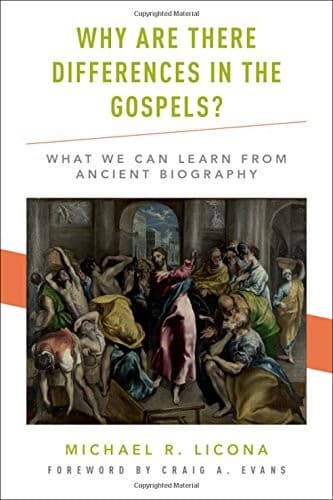
Why Are There Differences in the Gospels? What We Can Learn from Ancient Biography
لماذا توجد اختلافات في الأناجيل؟ ما يمكننا تعلمه من السيرة القديمة
Pourquoi y a-t-il des différences dans les Évangiles ? Ce que nous pouvons apprendre de la biographie antique
Editorial summary
Michael R. Licona's monograph examines the apparent contradictions and differences among the four canonical Gospels through the lens of ancient Greco-Roman biographical conventions. Rather than viewing Gospel variations as errors or fabrications, Licona argues that the evangelists employed standard compositional devices common to ancient biography, particularly those found in Plutarch's Lives. His work represents a significant methodological contribution to Gospel studies by applying classical literary analysis to biblical texts.
The study begins with a detailed examination of Plutarch's parallel biographies, identifying specific compositional techniques such as transferral, displacement, conflation, compression, and literary spotlighting. Licona demonstrates how Plutarch, writing in the same era as the Gospel authors, regularly modified chronology, combined multiple events, and altered details to emphasize moral or thematic points. These were not considered deceptions but accepted literary practices that served the broader purposes of ancient biography: character revelation and moral instruction rather than strict historical chronology.
Applying this framework to the Gospels, Licona analyzes numerous passages where Matthew, Mark, Luke, and John present the same events differently. He examines variations in the resurrection narratives, the healing of the centurion's servant, the chronology of Jesus' temple actions, and the timing of Peter's denials, among others. In each case, he identifies specific compositional devices at work, showing how the evangelists shaped their material according to established literary conventions while maintaining the essential historical core.
This approach offers a middle path between fundamentalist harmonization efforts and skeptical dismissals of Gospel reliability. Licona contends that recognizing these compositional devices actually strengthens confidence in the Gospels' historical value by demonstrating that the authors operated within the accepted standards of their time rather than carelessly contradicting each other. His work challenges both conservative scholars who insist on precise historical accuracy in every detail and critical scholars who cite variations as evidence of fabrication.
The monograph's significance extends beyond biblical studies to broader questions about divine revelation and textual authority. By showing how God's word operates through human literary conventions, Licona's work suggests a model of inspiration that embraces rather than fears the human element in scripture. This has important implications for theological debates about biblical inerrancy, the nature of revelation, and how believers should approach apparent contradictions in sacred texts.
Argument formulations engaged
Related works
Licona, Michael R. (2017). Why Are There Differences in the Gospels? What We Can Learn from Ancient Biography. Oxford University Press.
@book{why-are-there-differences-in-the-gospels,
  author    = {Licona, Michael R.},
  title     = {Why Are There Differences in the Gospels? What We Can Learn from Ancient Biography},
  year      = {2017},
  publisher = {Oxford University Press},
  url       = {https://god-database.com/en/works/why-are-there-differences-in-the-gospels-what-we-can-learn-from-ancient-biography-2017}
}