
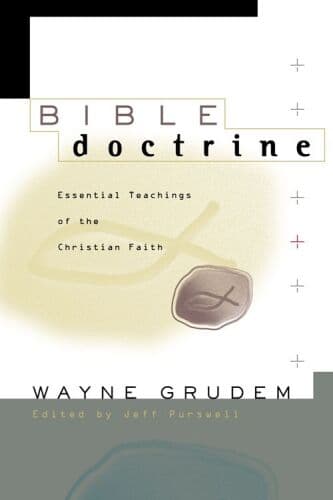
Bible Doctrine: Essential Teachings of the Christian Faith
عقيدة الكتاب المقدس: التعاليم الأساسية للإيمان المسيحي
Doctrine biblique : Enseignements essentiels de la foi chrétienne
Editorial summary
This comprehensive systematic theology textbook presents a thoroughly evangelical Protestant exposition of Christian doctrine, defending traditional theistic claims about God's nature, attributes, and relationship to creation. Grudem organizes his treatment around core doctrinal topics, moving from the doctrine of Scripture through the doctrines of God, humanity, Christ, salvation, church, and eschatology. Throughout, he advances arguments for God's existence and character that engage directly with modern skeptical challenges while maintaining firm commitments to biblical authority and Reformed theological tradition.
The work's approach to the God question centers on presuppositional apologetics combined with evidential arguments. Grudem begins by establishing Scripture as the foundational source for knowledge about God, arguing that the Bible's self-attestation as divine revelation provides the epistemological framework for all subsequent theological claims. From this foundation, he develops classical arguments for God's existence, including cosmological and teleological proofs, while simultaneously asserting that genuine knowledge of God requires spiritual regeneration. This dual emphasis reflects his broader theological method, which seeks to maintain both rational argumentation and experiential confirmation.
Grudem's treatment of divine attributes emphasizes God's personal nature against deistic or pantheistic alternatives. He defends traditional claims about divine omnipotence, omniscience, and omnipresence while addressing contemporary philosophical objections regarding divine foreknowledge and human freedom. His discussion of the Trinity provides detailed biblical exegesis to support this doctrine against unitarian challenges, presenting it as essential to Christian theism rather than a later philosophical development.
The text engages extensively with liberal theology, process theology, and open theism, critiquing their revisions to classical theistic doctrine. Grudem argues these positions compromise essential biblical teachings about God's sovereignty and transcendence. He similarly addresses feminist theological critiques, defending complementarian interpretations while maintaining the equal dignity of all persons as divine image-bearers.
Methodologically, Grudem combines careful biblical exegesis with systematic theological synthesis, drawing on Reformed theologians like Calvin, Warfield, and Berkof while engaging contemporary evangelical scholars. His accessible prose style makes complex theological arguments available to non-specialists without sacrificing analytical rigor. The work functions simultaneously as an introduction to Christian doctrine and a sustained defense of evangelical Protestant theism, providing extensive biblical citations and theological argumentation for each doctrinal position. This dual pedagogical and apologetic purpose positions the text as a significant contemporary statement of conservative evangelical theology's response to various challenges to traditional Christian theism.
Argument formulations engaged
Related works
Grudem, Wayne (1999). Bible Doctrine: Essential Teachings of the Christian Faith. Zondervan.
@book{bible-doctrine-essential-teachings-of-th,
  author    = {Grudem, Wayne},
  title     = {Bible Doctrine: Essential Teachings of the Christian Faith},
  year      = {1999},
  publisher = {Zondervan},
  url       = {https://god-database.com/en/works/bible-doctrine-essential-teachings-of-the-christian-faith-1999}
}