
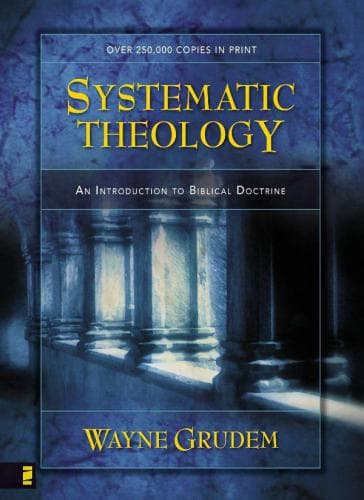
Systematic Theology: An Introduction to Biblical Doctrine
اللاهوت النظامي: مقدمة في العقيدة الكتابية
Théologie systématique : Une introduction à la doctrine biblique
Editorial summary
This comprehensive systematic theology textbook presents a thoroughly evangelical Protestant articulation of Christian doctrine, advancing robust arguments for biblical theism across multiple theological loci. Grudem constructs his theological system on the foundation of biblical inerrancy and sufficiency, maintaining that Scripture provides clear, authoritative revelation about God's nature and purposes. The work systematically defends classical theistic attributes including God's omniscience, omnipotence, omnipresence, and perfect goodness, while engaging contemporary philosophical challenges to traditional formulations.
The text employs a distinctive methodological approach, combining rigorous biblical exegesis with philosophical argumentation and practical application. Grudem regularly interacts with alternative theological positions, particularly those of liberal Protestantism, process theology, and open theism, offering detailed refutations based on scriptural analysis and logical reasoning. His treatment of divine providence exemplifies this approach, defending God's meticulous sovereignty against libertarian free will objections while maintaining human moral responsibility through compatibilist frameworks.
Grudem's contribution to natural theology debates proves particularly significant. He affirms general revelation's reality while carefully delimiting its scope, arguing that nature provides sufficient evidence for God's existence and basic attributes to render unbelief culpable, yet maintains special revelation's necessity for salvific knowledge. This position mediates between Reformed presuppositionalism and evidentialist apologetics, acknowledging reason's legitimate role while insisting on its limitations due to noetic effects of sin.
The work engages extensively with contemporary challenges to theistic belief, including the problem of evil, religious pluralism, and scientific materialism. Grudem's theodicy combines greater good defenses with appeals to divine inscrutability, while his exclusivist soteriology maintains Christ's uniqueness against pluralist objections. His treatment of creation addresses evolutionary theory, defending special creation while acknowledging legitimate scientific inquiry within prescribed bounds.
This textbook's influence extends beyond academic theology into pastoral training and lay education throughout evangelical communities. Its accessible yet scholarly presentation shapes contemporary evangelical discourse on God's existence and nature. While critics challenge its biblical hermeneutics and philosophical assumptions, the work remains a standard reference for conservative Protestant theology. Grudem's systematic defense of robust theism against various forms of theological revision establishes clear parameters for evangelical engagement with perennial questions about divine reality, providing both defensive apologetics and constructive theological proposals grounded in Reformed biblical interpretation.
Argument formulations engaged
Related works
Grudem, Wayne (1994). Systematic Theology: An Introduction to Biblical Doctrine.
@book{systematic-theology-an-introduction-to-b,
  author    = {Grudem, Wayne},
  title     = {Systematic Theology: An Introduction to Biblical Doctrine},
  year      = {1994},
  url       = {https://god-database.com/en/works/systematic-theology-an-introduction-to-biblical-doctrine-1994}
}