
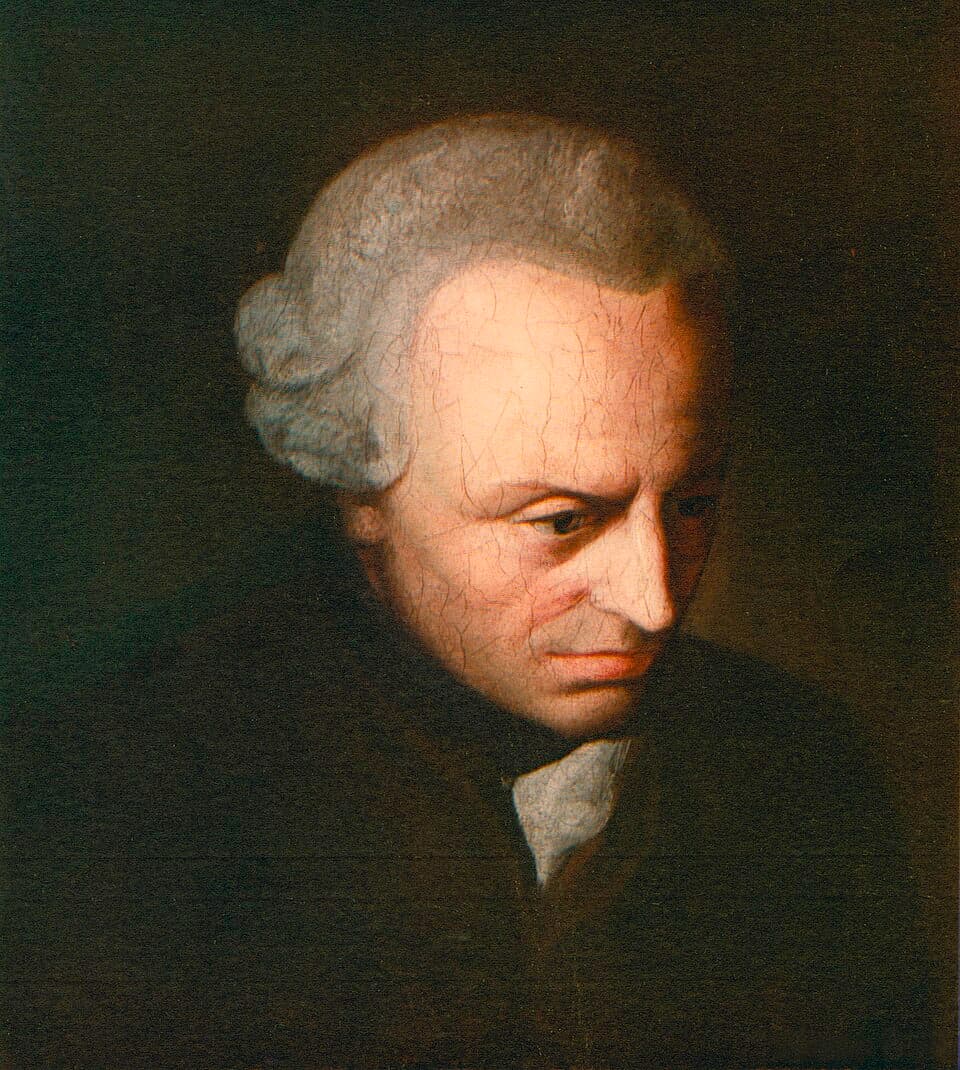
Critique of Practical Reason
نقد العقل العملي
Critique de la raison pratique
Editorial summary
Kant's Critique of Practical Reason advances a revolutionary approach to the question of God through moral philosophy. While his earlier Critique of Pure Reason demonstrated the impossibility of theoretical proofs for God's existence, this second Critique argues that practical reason necessarily postulates God as a condition for the highest good. Kant contends that while we cannot know God through speculative metaphysics, moral experience compels us to affirm divine existence.
The work's central argument emerges through Kant's analysis of the moral law and its implications. He identifies an antinomy between virtue and happiness: while the moral law commands virtue unconditionally, complete virtue does not guarantee proportionate happiness in this world. This disconnect generates what Kant terms the "highest good" problem - the necessity of thinking virtue and happiness as ultimately unified. Since neither nature nor human power can guarantee this unity, practical reason must postulate God as the moral author who ensures the eventual harmony of virtue and happiness.
Kant develops this argument against both dogmatic theism and atheistic materialism. Against traditional rational theology, he maintains his critical stance that God cannot be proven through theoretical reason. Against materialists and skeptics, he argues that denying God undermines the coherence of moral experience itself. His method synthesizes critical philosophy with moral phenomenology, examining the necessary conditions for moral agency rather than constructing metaphysical proofs.
The significance of Kant's practical postulate lies in its novel justification for theistic belief. Rather than grounding God in cosmological arguments or design inferences, Kant locates the necessity of God within moral consciousness itself. This move inaugurates a tradition of moral arguments for theism that remains influential in contemporary philosophy of religion. The work also establishes the distinctive Kantian position that God functions as a regulative ideal for practical reason rather than an object of theoretical knowledge.
Kant's argument faces criticism from multiple directions. Secular philosophers question whether morality truly requires theistic postulates, while religious thinkers often find his moral deity too thin compared to the God of revealed religion. Nevertheless, the Critique of Practical Reason remains foundational for understanding how post-Enlightenment philosophy can affirm God without abandoning critical rational standards.
Argument formulations engaged
Related works
Kant, Immanuel (1788). Critique of Practical Reason.
@book{critique-of-practical-reason-1788,
  author    = {Kant, Immanuel},
  title     = {Critique of Practical Reason},
  year      = {1788},
  url       = {https://god-database.com/en/works/critique-of-practical-reason-1788}
}