
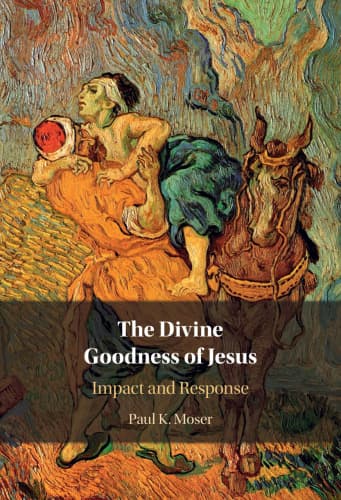
Divine Goodness and the Problem of Evil
الخير الإلهي ومشكلة الشر
Bonté divine et le problème du mal
Editorial summary
Moser presents a distinctive approach to the perennial problem of evil that challenges both traditional theodicies and their skeptical critics. Rather than attempting to justify God's permission of evil through greater-good arguments or free-will defenses, he develops what he terms a "volitional theodicy" centered on divine-human cooperation. The work argues that the problem of evil fundamentally misunderstands the nature of divine goodness when it expects God to act as a cosmic problem-solver who eliminates suffering unilaterally.
The monograph's central thesis contends that God's goodness manifests primarily through inviting human agents into redemptive partnership rather than through coercive intervention. Moser grounds this claim in a careful analysis of divine love as inherently non-coercive and respectful of human agency. He argues that a God who simply eliminated evil would thereby eliminate the possibility of genuine moral transformation and authentic divine-human relationship. The work engages critically with contemporary philosophers like William Rowe and Paul Draper, whose evidential arguments from evil assume that divine goodness requires maximal prevention of suffering.
Moser's methodology combines conceptual analysis with phenomenological investigation of religious experience. He examines how encounters with suffering can become occasions for spiritual growth when approached through what he calls "Gethsemane union" - a participatory identification with divine suffering love. This experiential dimension distinguishes his approach from purely analytical theodicies. The work draws on both philosophical theology and biblical scholarship, particularly Pauline texts, to develop its constructive proposal.
The monograph makes several significant contributions to contemporary philosophy of religion. First, it shifts the debate from abstract calculations of goods and evils to concrete questions about moral transformation. Second, it challenges the assumption that divine omnipotence entails an obligation to prevent all preventable suffering. Third, it offers a theodicy that avoids minimizing the reality of evil while maintaining divine goodness. Moser's argument proves particularly relevant for addressing existential concerns about suffering that purely theoretical approaches often neglect. His emphasis on volitional cooperation provides a framework for understanding how belief in God remains rationally and existentially viable despite the persistence of evil. The work thus advances the God debate by reframing the problem of evil as an invitation to redemptive agency rather than an intellectual puzzle requiring solution.
Argument formulations engaged
Related works
Moser, Paul K. (2024). Divine Goodness and the Problem of Evil. Cambridge University Press.
@book{divine-goodness-and-the-problem-of-evil-,
  author    = {Moser, Paul K.},
  title     = {Divine Goodness and the Problem of Evil},
  year      = {2024},
  publisher = {Cambridge University Press},
  url       = {https://god-database.com/en/works/divine-goodness-and-the-problem-of-evil-2024}
}