
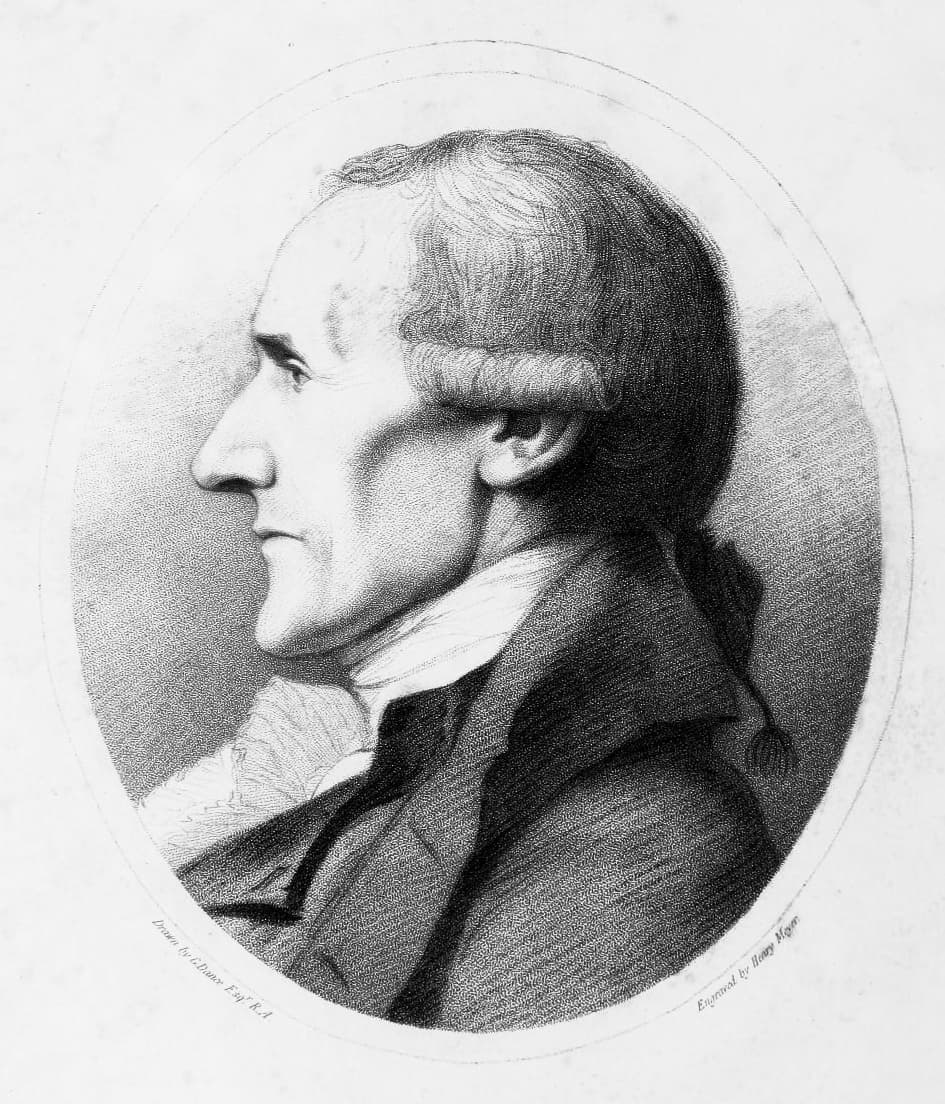
Granville Sharp's Canon and Its Kin
قاعدة غرانفيل شارب وأقرانها
Le canon de Granville Sharp et ses semblables
Editorial summary
This monograph examines a critical issue in New Testament Greek grammar with significant implications for theological debates about the deity of Christ. Wallace investigates the grammatical rule known as Granville Sharp's Canon, formulated in 1798, which states that when two singular personal nouns of the same case connected by καί (and) share a single article, they refer to the same person. This construction appears in several New Testament passages that potentially affirm Christ's divinity, most notably Titus 2:13 and 2 Peter 1:1.
Wallace employs a comprehensive methodological approach, analyzing every instance of the construction in the New Testament, the Septuagint, the Apostolic Fathers, and extensive secular Greek literature from the 8th century BCE through the 2nd century CE. His research examines over 80 New Testament examples and thousands of extra-biblical occurrences, testing the rule's validity across different genres, time periods, and authors. The study also investigates related constructions ("kin" to Sharp's rule) that share similar syntactic features but differ in specific elements such as number, type of substantive, or presence of the article.
The work directly engages with critics who have challenged Sharp's rule, particularly those who argue that the construction in key christological passages could refer to two distinct persons rather than identifying Jesus as God. Wallace demonstrates that when properly defined and limited to personal, singular, non-proper nouns, the rule holds without exception in all examined literature. This finding supports the traditional interpretation of passages like Titus 2:13 as "our great God and Savior Jesus Christ" rather than distinguishing between God and Christ as separate entities.
The monograph's significance extends beyond grammatical technicalities to fundamental questions about New Testament christology and the development of Trinitarian doctrine. By providing empirical linguistic evidence for the deity of Christ in disputed passages, Wallace's work strengthens grammatical arguments for high christology against interpretations favored by Unitarians, Jehovah's Witnesses, and others who reject Christ's divinity. The study exemplifies how detailed philological analysis intersects with theological controversy, demonstrating that questions about God's nature and Christ's identity often hinge on precise grammatical observations. Wallace's exhaustive documentation establishes Sharp's rule as a reliable principle for New Testament exegesis, with profound implications for understanding early Christian convictions about Jesus's divine status.
Argument formulations engaged
Wallace, Daniel B. (2009). Granville Sharp's Canon and Its Kin. Peter Lang Publishing.
@book{granville-sharps-canon-and-its-kin-2009,
  author    = {Wallace, Daniel B.},
  title     = {Granville Sharp's Canon and Its Kin},
  year      = {2009},
  publisher = {Peter Lang Publishing},
  url       = {https://god-database.com/en/works/granville-sharps-canon-and-its-kin-2009}
}