
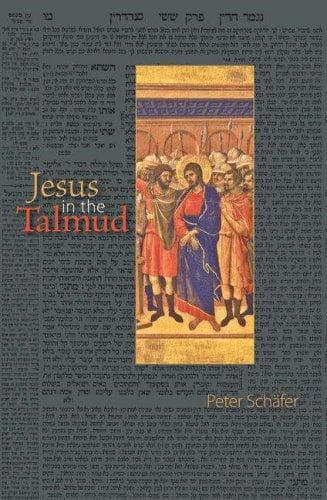
Jesus in the Talmud
يسوع في التلمود
Jésus dans le Talmud
Editorial summary
This monograph examines the scattered references to Jesus of Nazareth found throughout the Babylonian Talmud and related rabbinic literature, analyzing how Jewish religious authorities portrayed Christianity's founder during the formative centuries of both traditions. Schafer meticulously collects and contextualizes these passages, which range from veiled allusions to explicit narratives about Jesus's birth, life, discipleship, trial, execution, and afterlife punishment. His analysis reveals how the Talmudic rabbis constructed a counter-narrative to Christian claims, depicting Jesus as a false prophet, magician, and sexual deviant who led Israel astray and deservedly suffered both earthly execution and eternal damnation.
The work employs rigorous philological methods to date and authenticate these passages, many of which were censored or removed from printed editions of the Talmud due to Christian persecution. Schafer demonstrates that most of these traditions emerged relatively late, primarily in Sassanid Babylonia between the 3rd and 6th centuries CE, rather than preserving early Palestinian Jewish memories of the historical Jesus. This temporal and geographical distance allowed the Babylonian rabbis greater freedom to craft polemical narratives that directly challenged Christian theological claims about Jesus's virgin birth, divine nature, resurrection, and salvific power.
Particularly significant is Schafer's argument that these texts represent deliberate rabbinic parody of New Testament narratives rather than independent historical traditions. The Talmudic accounts systematically invert Christian claims: Mary's virginity becomes adultery with a Roman soldier, Jesus's miracles become Egyptian sorcery, his teaching becomes heretical deception, and his resurrection becomes eternal punishment in boiling excrement. This parodic strategy reveals sophisticated rabbinic knowledge of Christian scripture and theology, suggesting ongoing intellectual engagement between the communities despite their mutual antagonism.
The monograph contributes to understanding how religious boundaries were constructed and maintained through polemical discourse in Late Antiquity. While not directly addressing philosophical arguments for God's existence, it illuminates how competing monotheistic communities used narrative and legal discourse to define orthodoxy and heterodoxy. Schafer's work demonstrates that the Talmudic rabbis viewed Christianity not merely as gentile error but as a fundamental threat to Jewish theology and practice, requiring vigorous intellectual resistance. This historical analysis provides essential context for contemporary Jewish-Christian dialogue and highlights how sacred texts encode communal boundaries and theological polemics that continue to influence interreligious relations.
Argument formulations engaged
Related works
Schafer, Peter (2007). Jesus in the Talmud.
@book{jesus-in-the-talmud-2007,
  author    = {Schafer, Peter},
  title     = {Jesus in the Talmud},
  year      = {2007},
  url       = {https://god-database.com/en/works/jesus-in-the-talmud-2007}
}