
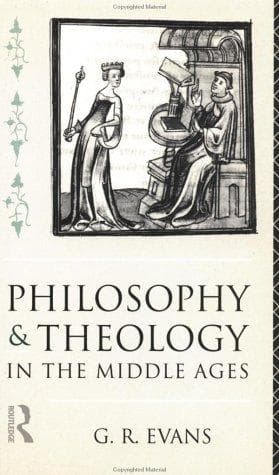
Philosophy and Theology in the Middle Ages
الفلسفة واللاهوت في العصور الوسطى
Philosophie et théologie au Moyen Âge
Editorial summary
Evans examines the complex relationship between philosophy and theology during the medieval period, demonstrating how these disciplines developed through mutual influence rather than opposition. The work traces the evolution of theological method from the patristic era through the high scholasticism of the thirteenth century, showing how medieval thinkers progressively incorporated philosophical tools into theological inquiry while maintaining distinct disciplinary boundaries.
The monograph reveals how early medieval scholars inherited a dual legacy: the theological tradition of the Church Fathers and remnants of classical philosophy, particularly through Boethius and filtered Aristotelian texts. Evans argues that the reception of Aristotle's complete corpus in the twelfth and thirteenth centuries fundamentally transformed theological methodology, introducing systematic dialectical approaches to questions about divine nature, creation, and providence. This philosophical turn enabled theologians to develop more rigorous frameworks for discussing God's attributes, the problem of universals in relation to divine ideas, and the relationship between faith and reason.
Central to Evans's analysis is the medieval university system, where the liberal arts curriculum prepared students for theological study. She demonstrates how the trivium and quadrivium provided essential logical and mathematical tools that theologians employed in scriptural exegesis and doctrinal disputation. The work particularly emphasizes how medieval thinkers navigated tensions between revealed truth and rational demonstration, developing sophisticated distinctions between truths accessible to natural reason and those requiring divine illumination.
Evans challenges simplistic narratives about medieval thought by showing how figures like Anselm, Abelard, Aquinas, and Scotus created diverse syntheses of faith and reason. Rather than viewing philosophy as theology's handmaiden in a merely subordinate sense, she presents their relationship as dialectical, with philosophical methods shaping theological questions while theological commitments influenced philosophical investigations. The monograph reveals how debates about God's existence, essence, and knowability drove innovations in both disciplines.
This historical study illuminates the origins of many contemporary discussions about natural theology, the scope of human reason in approaching divine matters, and the proper relationship between religious belief and philosophical argument. Evans's work provides essential context for understanding how medieval thinkers established patterns of argumentation about God that continue to influence both religious and secular philosophy.
Argument formulations engaged
Related works
Evans, G. R. (1993). Philosophy and Theology in the Middle Ages.
@book{philosophy-and-theology-in-the-middle-ag,
  author    = {Evans, G. R.},
  title     = {Philosophy and Theology in the Middle Ages},
  year      = {1993},
  url       = {https://god-database.com/en/works/philosophy-and-theology-in-the-middle-ages-1993}
}