
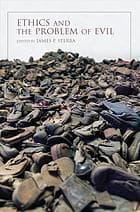
Ethics and the Problem of Evil
الأخلاق ومشكلة الشر
Éthique et le problème du mal
Editorial summary
This edited volume examines the problem of evil through multiple philosophical lenses, assembling contributions that explore how the existence of suffering and moral wrongdoing challenges traditional theistic claims. Sterba brings together diverse philosophical voices to interrogate whether a morally perfect, omnipotent God can coexist with the manifest evils of the world, positioning this collection as a significant intervention in contemporary philosophy of religion.
The volume's central organizing principle revolves around the logical and evidential versions of the problem of evil. Contributors analyze whether the mere existence of evil logically contradicts God's existence or whether the particular distribution and intensity of evil in our world provides compelling evidence against theism. Several essays engage with recent defenses of theism, including skeptical theist responses that question human epistemic capacities to judge divine purposes, and various formulations of the free will defense that attempt to reconcile human moral agency with divine perfection.
What distinguishes this collection is its attention to the intersection of ethics and theodicy. Rather than treating the problem of evil as purely metaphysical, contributors examine how different ethical frameworks shape our understanding of what counts as evil and what would constitute adequate divine justification for permitting it. The volume engages with deontological, consequentialist, and virtue-theoretic approaches to moral evaluation, demonstrating how ethical presuppositions fundamentally inform assessments of the problem of evil.
The collection also addresses practical and existential dimensions often neglected in analytic treatments. Several contributions explore how experiences of suffering and injustice shape religious belief and practice, moving beyond abstract philosophical argumentation to consider lived responses to evil. This includes examination of religious narratives, pastoral responses, and the phenomenology of suffering.
Sterba's editorial framework ensures sustained dialogue between opposing positions, with contributors responding directly to each other's arguments. The volume engages seriously with both contemporary defenses of theism and sophisticated atheological arguments, avoiding strawman representations of either position. By incorporating perspectives from moral philosophy, epistemology, and phenomenology alongside traditional philosophy of religion, the collection demonstrates how the problem of evil remains philosophically vital precisely because it sits at the intersection of multiple philosophical subdisciplines. The work serves as both a comprehensive overview of current debates and an original contribution to ongoing discussions about divine attributes, moral responsibility, and the rational assessment of religious claims.
Argument formulations engaged
Related works
Sterba, James (2017). Ethics and the Problem of Evil. Indiana University Press.
@book{ethics-and-the-problem-of-evil-2017,
  author    = {Sterba, James},
  title     = {Ethics and the Problem of Evil},
  year      = {2017},
  publisher = {Indiana University Press},
  url       = {https://god-database.com/en/works/ethics-and-the-problem-of-evil-2017}
}