
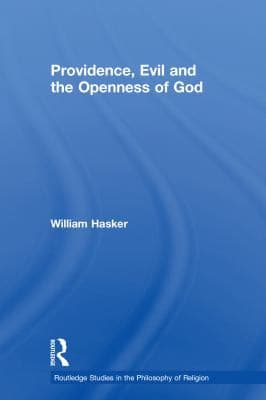
Providence, Evil and the Openness of God
العناية الإلهية والشر وانفتاح الله
Providence, mal et l'ouverture de Dieu
Editorial summary
This monograph presents a systematic defense of open theism through rigorous philosophical analysis of divine providence and the problem of evil. Hasker argues that the traditional conception of God as possessing exhaustive foreknowledge of future contingent events creates insurmountable theological and philosophical difficulties, particularly when addressing the existence of evil and genuine human freedom.
The work develops a comprehensive alternative model wherein God possesses perfect knowledge of all that can be known, but future free actions remain genuinely open and unknowable even to omniscience. Hasker contends this limitation reflects not divine deficiency but the metaphysical nature of libertarian freedom and temporal reality. He maintains that genuine freedom requires real alternatives and that if God knows with certainty what agents will choose, their actions cannot be truly free in any meaningful sense.
Central to Hasker's argument is his treatment of the problem of evil. He argues that traditional theodicies fail precisely because they assume God permits specific evils for greater goods while simultaneously possessing complete foreknowledge. This position, Hasker claims, makes God complicit in evil in ways that open theism avoids. Under open theism, God takes genuine risks in creating free beings, making divine permission of evil more comprehensible and less morally problematic.
The monograph engages extensively with classical theistic philosophers, process theologians, and contemporary analytic philosophers of religion. Hasker critiques Molinism and simple foreknowledge views as philosophically incoherent attempts to preserve both exhaustive divine foreknowledge and libertarian freedom. He responds to objections that open theism diminishes divine sovereignty, arguing instead that it presents a God who exercises dynamic, responsive providence rather than meticulous control.
Hasker's methodology combines careful conceptual analysis with attention to biblical interpretation, though philosophical argumentation predominates. He addresses concerns about biblical prophecy and divine promises, arguing these remain compatible with open theism properly understood. The work represents a significant contribution to contemporary philosophical theology, challenging orthodox assumptions while maintaining core theistic commitments. Its influence extends beyond academic philosophy of religion to practical theology and pastoral concerns, offering a conception of divine-human relationship marked by genuine reciprocity and meaningful prayer. The monograph stands as perhaps the most philosophically sophisticated defense of open theism, establishing it as a serious option within contemporary theistic philosophy.
Argument formulations engaged
Related works
Hasker, William (2004). Providence, Evil and the Openness of God. Routledge.
@book{providence-evil-and-the-openness-of-god-,
  author    = {Hasker, William},
  title     = {Providence, Evil and the Openness of God},
  year      = {2004},
  publisher = {Routledge},
  url       = {https://god-database.com/en/works/providence-evil-and-the-openness-of-god-2004}
}