
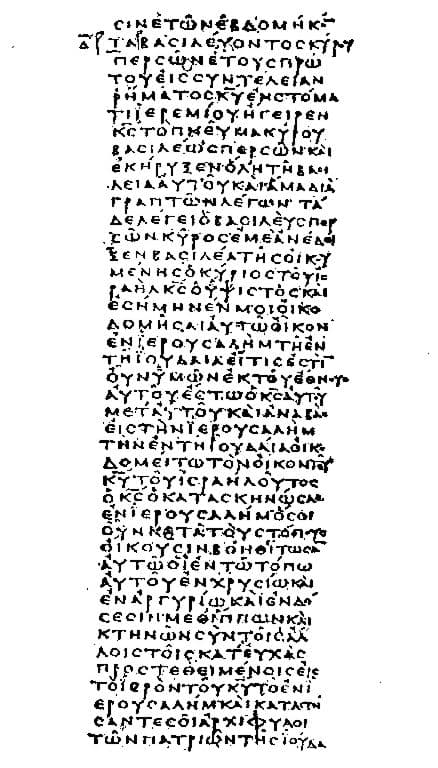
The Text-Critical Use of the Septuagint in Biblical Research
الاستخدام النقدي النصي للترجمة السبعينية في البحث التوراتي
L'Usage critique textuel de la Septante dans la recherche biblique
Editorial summary
This foundational work establishes comprehensive methodological principles for utilizing the Septuagint in Hebrew Bible textual criticism. Tov systematically addresses the complex relationship between the Greek translation and its Hebrew Vorlage, offering scholars rigorous criteria for retroverting Greek readings and evaluating their text-critical value. The monograph fills a crucial gap in biblical scholarship by providing the first systematic treatment of how to employ the Septuagint responsibly in reconstructing earlier Hebrew textual traditions.
The work proceeds through several methodological stages. Tov first examines the translation techniques of various Septuagint books, demonstrating how different translators approached their task with varying degrees of literalness and interpretive freedom. He then develops criteria for distinguishing between translation techniques and genuine textual variants, addressing the perennial challenge of determining when a Greek reading reflects a different Hebrew text rather than merely a translator's interpretation. The study includes detailed analysis of retroversion procedures, offering concrete guidelines for reconstructing hypothetical Hebrew readings behind the Greek text.
Particularly significant is Tov's nuanced approach to the diversity within the Septuagint corpus. Rather than treating the Greek version as a monolithic entity, he emphasizes how each translated book requires individual assessment based on its particular translation character. This differentiated methodology marks a major advance over earlier, more generalizing approaches to Septuagint text criticism. The work also integrates findings from Qumran, demonstrating how Dead Sea Scrolls evidence frequently validates Septuagint readings previously dismissed as secondary or interpretive.
While the monograph focuses primarily on technical text-critical methodology rather than theological questions, it carries indirect implications for understanding scripture's transmission and authority. By demonstrating the textual fluidity of the Hebrew Bible in antiquity, Tov's work challenges simplistic notions of a single, pristine original text. His careful delineation of the Septuagint's witness to variant Hebrew traditions contributes to broader discussions about biblical authority and the nature of sacred texts.
The monograph's lasting influence stems from its combination of theoretical sophistication and practical applicability. Tov provides both a conceptual framework for understanding the Septuagint's text-critical value and concrete tools for implementing this understanding. His balanced approach, acknowledging both the possibilities and limitations of retroversion, has become standard in the field. The work remains indispensable for scholars engaged in textual criticism of the Hebrew Bible and continues to shape methodological discussions about the relationship between textual witnesses in different languages.
Argument formulations engaged
Tov, Emanuel (1981). The Text-Critical Use of the Septuagint in Biblical Research. Eisenbrauns.
@book{the-text-critical-use-of-the-septuagint-,
  author    = {Tov, Emanuel},
  title     = {The Text-Critical Use of the Septuagint in Biblical Research},
  year      = {1981},
  publisher = {Eisenbrauns},
  url       = {https://god-database.com/en/works/the-text-critical-use-of-the-septuagint-in-biblical-research-1981}
}