
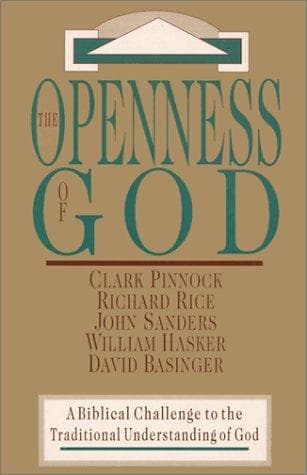
The Openness of God: A Biblical Challenge to the Traditional Understanding of God
انفتاح الله: تحدٍ كتابي للفهم التقليدي لله
L'Ouverture de Dieu : Un Défi Biblique à la Compréhension Traditionnelle de Dieu
Editorial summary
This edited volume presents a systematic theological challenge to classical theism's doctrine of divine foreknowledge and immutability, proposing instead an "open theism" that reconceives God's relationship to time, knowledge, and human freedom. The contributors argue that the traditional philosophical conception of God as timelessly omniscient and unchangeable derives more from Greek philosophy than biblical revelation, and that Scripture itself presents a God who experiences genuine temporality, responds dynamically to human choices, and possesses knowledge that excludes future free actions.
The work develops its case through interconnected theological and philosophical arguments. Central to the open theist position is the claim that exhaustive divine foreknowledge of future free actions is logically incompatible with genuine human freedom and meaningful divine-human relationships. If God knows with certainty what humans will choose, the contributors argue, then those choices are not genuinely free, and God's responses to human actions become mere theatrical performances rather than authentic interactions. The volume examines numerous biblical passages depicting God as changing plans, experiencing surprise, or expressing regret, arguing these should be taken at face value rather than dismissed as anthropomorphisms.
The philosophical framework draws significantly from process thought while maintaining evangelical commitments to biblical authority. Contributors engage critically with Augustine, Aquinas, Calvin, and contemporary defenders of classical theism, particularly addressing the reconciliation of divine sovereignty with human freedom. The work responds to standard objections regarding prophecy, providence, and divine perfection by arguing that God's greatness lies not in meticulous control or exhaustive foreknowledge, but in dynamic responsiveness and genuine relationship with creation.
The significance of this volume extends beyond academic theology to practical implications for prayer, divine guidance, and the problem of evil. By proposing that God takes genuine risks in creating free beings and that the future remains partly open even to divine knowledge, open theism offers alternative approaches to theodicy and religious practice. The work has generated substantial controversy within evangelical Christianity, challenging long-held assumptions about divine attributes while claiming greater fidelity to biblical narrative. Its influence continues in contemporary debates about divine temporality, middle knowledge, and the coherence of classical theism, making it a pivotal text in late twentieth-century philosophical theology.
Argument formulations engaged
Related works
Basinger, David (1994). The Openness of God: A Biblical Challenge to the Traditional Understanding of God. InterVarsity Press.
@book{the-openness-of-god-a-biblical-challenge,
  author    = {Basinger, David},
  title     = {The Openness of God: A Biblical Challenge to the Traditional Understanding of God},
  year      = {1994},
  publisher = {InterVarsity Press},
  url       = {https://god-database.com/en/works/the-openness-of-god-a-biblical-challenge-to-the-traditional-understanding-of-god-1994}
}